
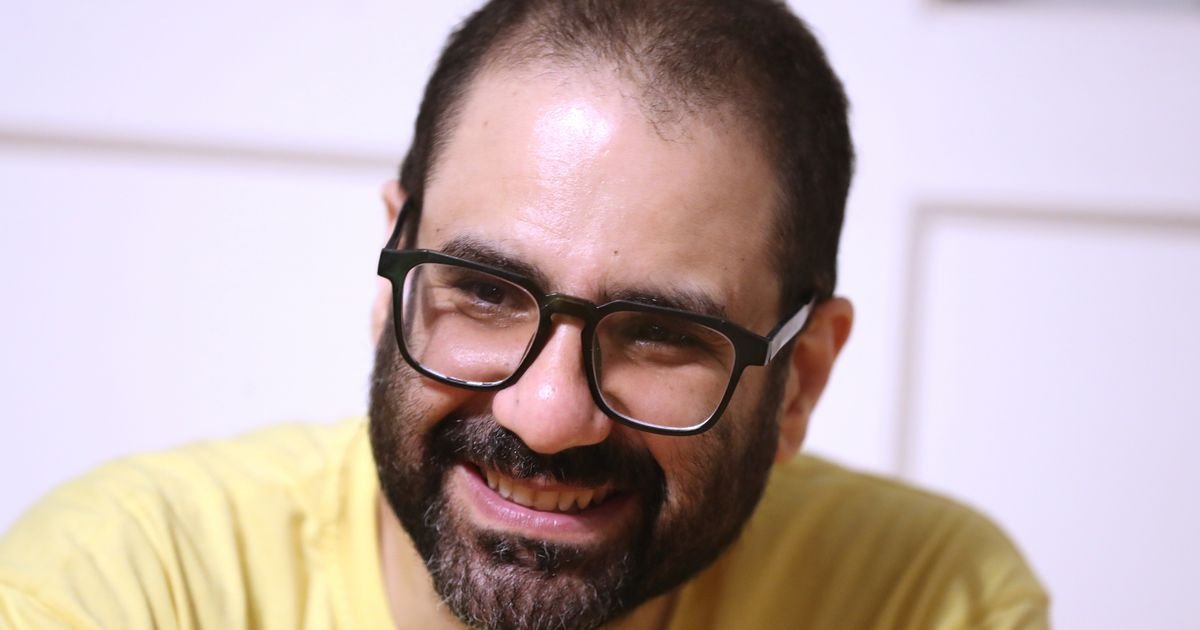

Keir Starmer has expressed regret for his previous statement of being “delighted” about democracy activist Alaa Abd el-Fattah’s return to the UK after controversial social media posts resurfaced.
The Prime Minister voiced frustration over not being informed earlier about “abhorrent” comments made by the British-Egyptian dual national dating back to 2010, where he appeared to advocate violence against Zionists and law enforcement.
El-Fattah, a prominent figure in the Arab Spring uprisings, arrived in the UK on Boxing Day following the lifting of a travel ban after his release from prison. Although he has apologized for his remarks, calls from Tory and Reform politicians to revoke his citizenship have been made, though no such actions are currently planned.
Foreign Secretary Yvette Cooper initiated a review last week into what she described as “serious information failures” that led to senior officials being unaware of El-Fattah’s past statements.
When pressed about issuing an apology, Starmer acknowledged the oversight, stating that he should have been made aware of the situation sooner and that remedial actions are being taken to address the issue.
El-Fattah was granted UK citizenship in December 2021 under then-Prime Minister Boris Johnson. His incarceration on charges of spreading false information was deemed a violation of international law by UN investigators. He was eventually pardoned by Egyptian President Abdel-Fattah el-Sisi in September after lobbying efforts from both Conservative and Labour governments.
Upon arriving in the UK on December 26, El-Fattah was reunited with his son in Brighton.
In his apology, El-Fattah expressed understanding of the offensiveness of his past remarks, attributing them to youthful anger during regional crises and conflicts, expressing regret for their impact and the lack of consideration for how they might be perceived by others.
While Downing Street described El-Fattah’s posts as “abhorrent,” they acknowledged his apology as “fairly fulsome.” The PM’s spokesperson emphasized Britain’s dedication to religious and political freedom while condemning the nature of the historical tweets as unacceptable.
Cookie and data collection policies were mentioned at the end of the article.