
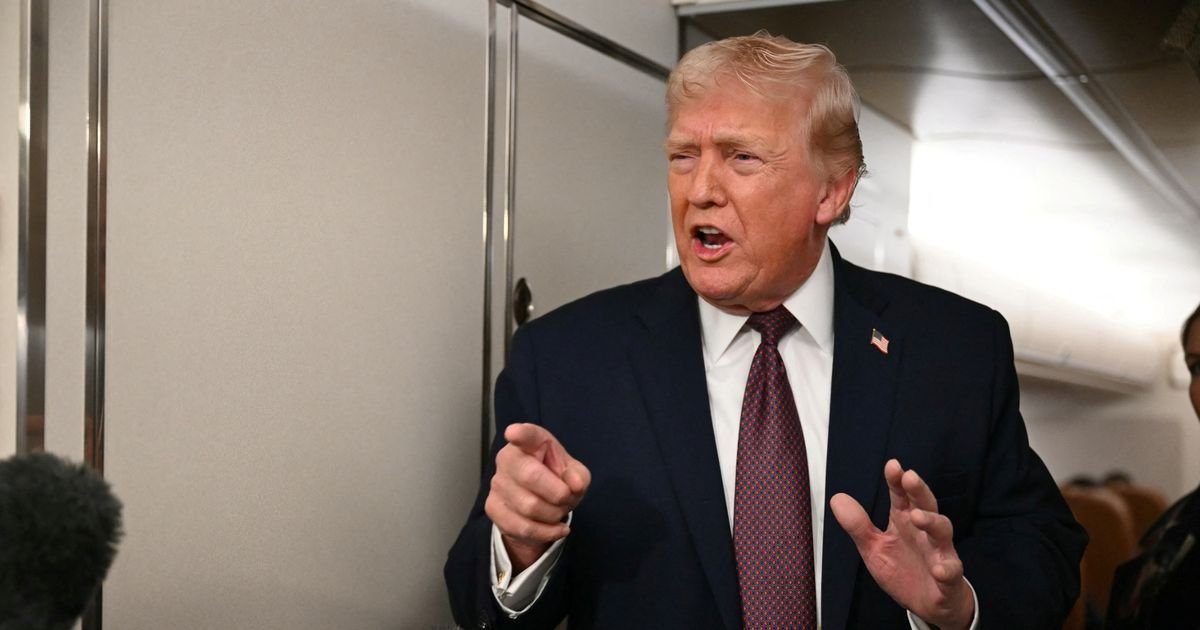

Donald Trump has stated that Iran is willing to engage in negotiations following his warning to the country in light of reports indicating at least 544 casualties during protests. Iran has not immediately responded to this development, which follows the recent visit of Oman’s foreign minister to Tehran, a longstanding intermediary between Washington and Tehran.
The specifics of what Iran could offer in negotiations remain uncertain, especially given Trump’s stringent demands concerning Iran’s nuclear program and ballistic missile arsenal, which Iran asserts are vital for its national defense. Iranian Foreign Minister Abbas Araghchi, addressing foreign diplomats in Tehran, asserted that the situation is under control and placed blame on Israel and the U.S. for the unrest without providing evidence.
In response to the ongoing protests challenging the authority of Supreme Leader Ayatollah Ali Khamenei, Iran has called for pro-government demonstrations to demonstrate support for the ruling regime. Trump and his national security team are reportedly considering various responses to Iran, including cyberattacks and potential direct military actions.
Amid escalating tensions, Trump mentioned ongoing discussions for a meeting with Iran but emphasized the possibility of taking action due to the escalating death toll and arrests of protesters. Iran’s parliamentary speaker has cautioned that the U.S. military and Israel could become “legitimate targets” if force is used to protect demonstrators.
According to the U.S.-based Human Rights Activists News Agency, over 10,600 individuals have been detained during the protests, with a reported death toll of 544, including protesters and security personnel. The internet blackout and communication restrictions in Iran have made it challenging to ascertain the full extent of the demonstrations, with concerns that the lack of information is enabling harsh responses by Iranian security forces.
The unrest began with economic grievances over the devaluation of the Iranian rial, exacerbated by international sanctions linked to Iran’s nuclear activities. The protests have evolved into broader challenges against Iran’s ruling system, reflecting widespread dissatisfaction within the country.