
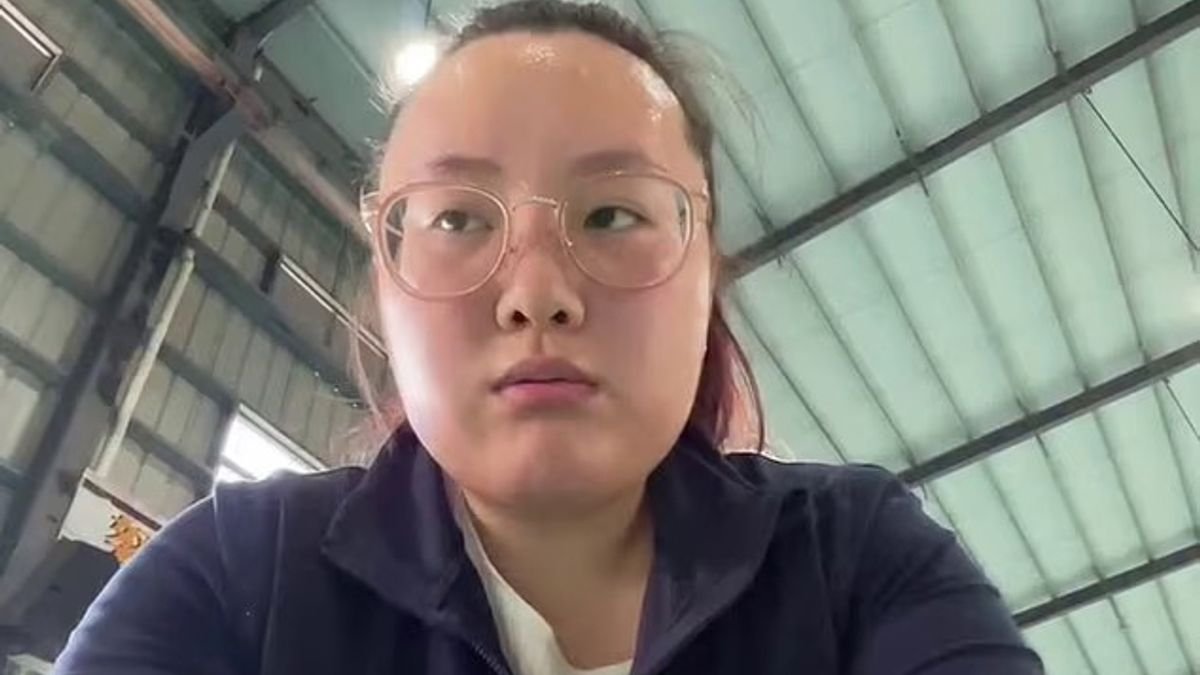

A woman has revealed her experience inside a Chinese ‘fat prison’ where she underwent a 28-day program. TL Huang, an Australian living in China, stayed in the strict weight loss facility in Guangzhou. The place strictly prohibited unhealthy foods like instant noodles and maintained a tough living environment with inmates housed in dormitories behind high walls and electric fences. Security personnel monitored entry and exit points all the time, restricting anyone from leaving.
Describing the stringent rules, Huang mentioned in a social media video that residents couldn’t leave without valid reasons, shared rooms with others, and had their daily schedule strictly controlled. She highlighted that the premises were constantly secured, disallowing any unauthorized exits.
On her mother’s suggestion, Huang checked into the camp, known as one of China’s state-supported ‘fat prisons,’ due to her weight gain from consuming takeout meals. She found herself subjected to continuous weigh-ins, four-hour workout sessions, and regulated meals featuring prawns, vegetables, steamed fish, and chicken.
After three weeks, Huang fell ill with the flu and a high fever, requiring hospitalization. She expressed her struggle with reduced energy levels due to sickness and the demanding exercise routine imposed at the facility.
In China, over half of the adult population is overweight or obese, with projections indicating a potential increase to two-thirds by 2030. The establishment of these ‘prisons’ aims to address the growing weight issues among citizens, with individuals paying considerable sums to enroll in the programs.
Huang disclosed paying $600 for her stay, covering accommodation, meals, and fitness activities. Despite the challenging experience, she emphasized that the structured regime helped her adjust to healthier eating habits and lifestyle changes, leading to a weight loss of 6kg during her month-long stay.
Reflecting on her time in the facility, Huang shared how she monitored her calorie intake by weighing her meals and acknowledged the positive impact of the program in instilling discipline and reevaluating her approach to health and fitness. She encouraged others considering such programs to view them as a valuable first step towards a healthier lifestyle, emphasizing the importance of building sustainable habits and knowledge for long-term success.