
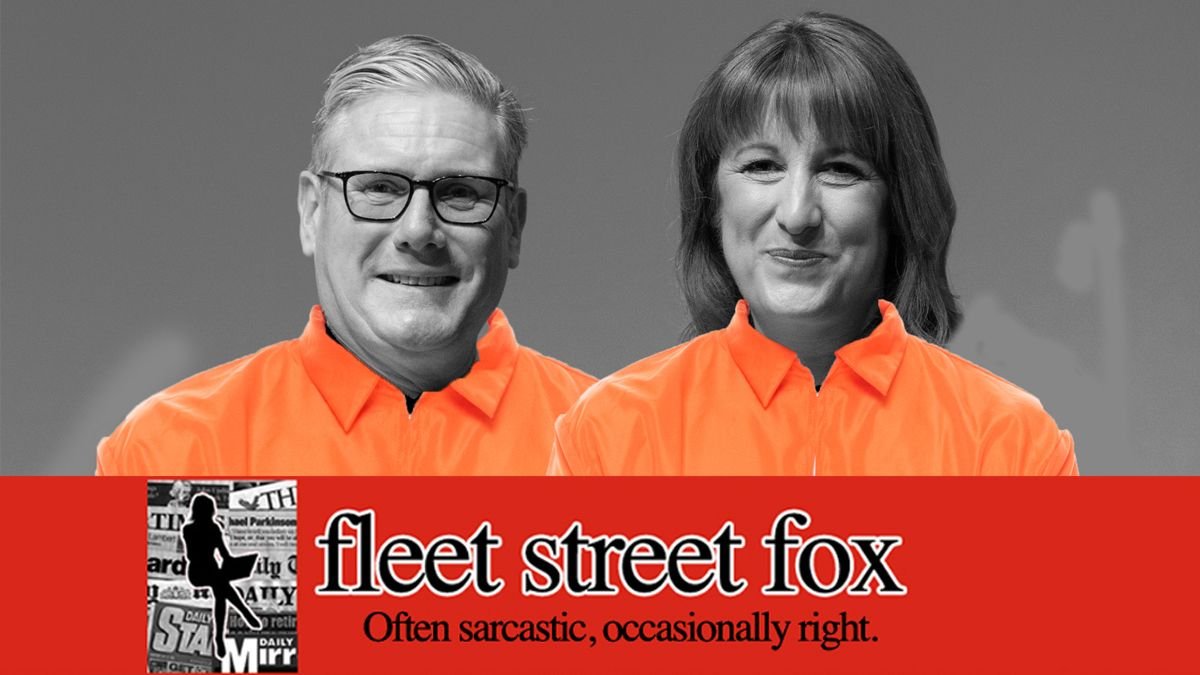

One does not require substantial wealth to anticipate the upcoming Budget announcement set for Wednesday. It suffices to possess ordinary qualities of rationality and empathy to feel disinclined to witness Chancellor Rachel Reeves delivering what seems like a self-elegy at the Despatch Box.
The Budget unveiling is not expected to be riveting entertainment. Anticipated are tax increases, economic pessimism, debt concerns, budget cuts, financial manipulations, and political maneuverings. The Chancellor of the Exchequer, with questionable skills akin to a novice groundskeeper at Accrington Stanley, is poised to deliver the address.
Following nearly a year of teasing, retracting, and strategically revealing Budget initiatives to gauge public sentiment and market reactions, the only mystery remaining is the potential change in Rachel’s hair color. While personal grooming decisions are at her discretion, the inconsistency might add to market uncertainties, akin to a student switching pens during an exam without clear purpose.
The Budget formulation, spearheaded by Chancellor Rachel Reeves and Prime Minister Keir Starmer, is primarily tailored for financial institutions, market players, opinion pollsters, and party interests. While the general populace concerns itself with the rising cost of living, policymakers are more focused on financial implications and market conditions. The disconnect between public expectations and governmental priorities is evident.
The Budget deliberations may involve minor adjustments here and there, potentially affecting sectors like healthcare and child benefits. However, any significant reforms or radical changes are deemed unfeasible due to financial constraints and political considerations. The current economic landscape limits the scope for substantial modifications, despite the rhetoric surrounding the Budget.
The anticipated Budget outcome is unlikely to bring substantial transformations but rather sustain the prevailing stagnation. Concurrent challenges such as job losses, technological advancements, escalating costs, global trade dynamics, and societal shifts underscore the electorate’s yearning for meaningful change.
The current administration, led by Starmer and Reeves, is perceived as a response to previous Tory governments and post-Brexit turmoil, rather than a proactive choice by voters. The persisting issues and lack of significant progress raise doubts about the government’s ability to address critical concerns effectively.
The political landscape could have been different if Labour had secured victory in 2029, potentially resolving ongoing crises and steering the economy toward recovery. However, recent challenges including the pandemic, political scandals, and internal controversies have hindered the government’s efficacy, diminishing public confidence in its capabilities.
As the Budget day approaches, the prevailing narrative reflects a sense of inevitability rather than optimism. The political discourse, characterized by shortcomings and uncertainties, contributes to a sense of disillusionment among the electorate towards the current leadership. The impending Budget may signify a continuation of existing challenges, prolonging the country’s political uncertainty.
At Reach and across our entities we and our partners use information collected through cookies and other identifiers from your device to improve experience on our site, analyse how it is used and to show personalised advertising. You can opt out of the sale or sharing of your data, at any time clicking the “Do Not Sell or Share my Data” button at the bottom