
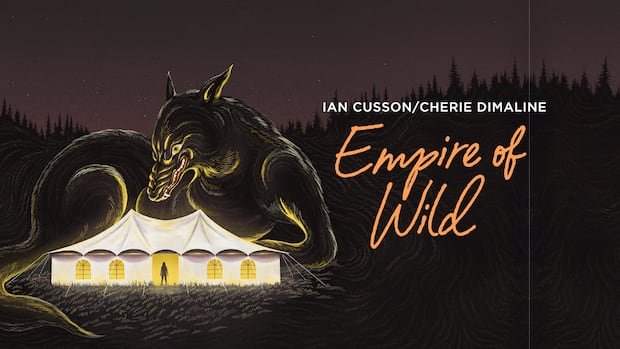

In Cherie Dimaline’s novel “Empire of Wild,” a trio of women across different generations grapple with freeing a family member from the clutches of a werewolf-like entity known as the Rogarou. Their quest aims to locate a missing spouse and safeguard their territory from corporate encroachment.
This engaging and provocative tale was recognized as Indigo’s standout book of 2019, surpassing acclaimed works such as Margaret Atwood’s “The Testaments” and Taylor Jenkins Reid’s “Daisy Jones & The Six.” An investment of around $4 million has been allocated for an Indigenous-led creative team to transform the book into an opera, culminating in a highly anticipated world premiere in Toronto next spring.
The endeavor represents a bold move that seeks to attract a younger demographic and opera novices while potentially challenging traditionalists who favor the conventional repertoire.
Set in the Penetanguishene Métis community in Georgian Bay, Ontario, where Dimaline has roots, “Empire of Wild” resonates with composer Ian Cusson, who hails from the same region. Familiar with the Rogarou from childhood tales, Cusson found a personal connection to the characters and language in Dimaline’s work.
Cusson and Dimaline’s collaborative vision for the opera was to craft relatable modern characters that mirror contemporary audiences. The narrative features diverse elements, including queer representation and a working-class family navigating extraordinary circumstances with authentic dialogue and humor.
The production is described as a heightened cinematic experience, embracing darker and horror-infused themes to appeal to a younger audience seeking immersive entertainment.
Innu soprano Elisabeth St-Gelais embodies the lead role of Joan, a character grappling with personal struggles amidst her husband’s sudden disappearance and a complex web of power dynamics. The story delves into themes of resistance, resilience, and the significance of intergenerational support along maternal lines.
Drawing inspiration from Métis folklore, the opera showcases a diverse cast of talents, including Indigenous artists who bring authenticity and truth to their portrayals. The narrative underscores themes of survival and resistance, reflecting a broader Indigenous experience of cultural continuity and adaptation.
The collaboration of Indigenous creators like costume designer Jeff Chief and director Yvette Nolan emphasizes a collective approach to artistic creation, fostering inclusivity and valuing every individual’s contribution. This innovative model of collaboration is envisioned by Cusson to set a new standard in the opera industry, promoting equal participation and recognition of diverse voices.
The transformative journey of “Empire of Wild” as an opera serves as a testament to the flourishing presence of Indigenous voices across various sectors, embodying a shift towards inclusive and equitable representation in the arts.