
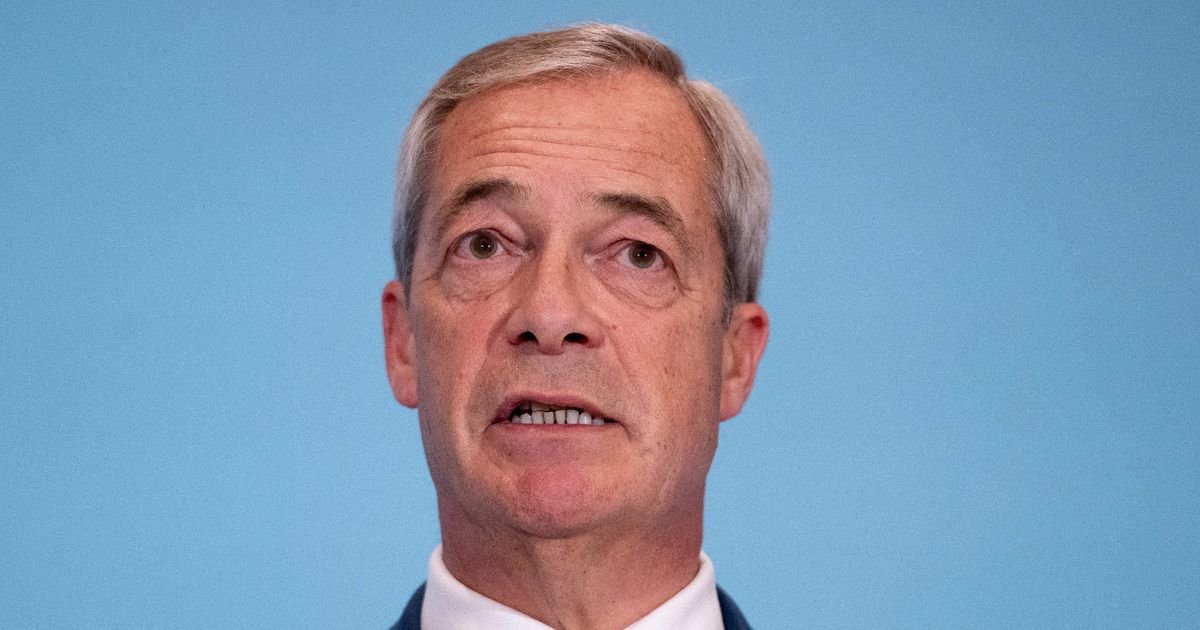

Nigel Farage faces mounting accusations stemming from his time at Dulwich College, with former students alleging he made derogatory remarks, including praising Hitler and making racist comments. Despite offering multiple explanations, Farage has yet to directly address the allegations of racial abuse. Recently, a group of 25 former students and a teacher expressed disappointment with Farage’s responses, dismissing his claim that the accusations were politically motivated.
Farage’s handling of these allegations mirrors his approach to other controversies within Reform UK, where concerns about ties to Russia have been raised. Even after a former party leader was jailed for promoting pro-Russian propaganda, Farage has not adequately addressed these issues, raising questions about the party’s integrity.
Moreover, Farage’s party faces scrutiny over discriminatory comments made by its candidates, such as suggesting that a government official should leave the country based on their race. Despite public backlash, Farage has failed to condemn or take action against these individuals, highlighting a lack of accountability within Reform UK.
In contrast, the Labour government has been focusing on passing legislation to enhance workers’ rights, including protections against exploitative employment practices. Despite opposition from Reform and other parties, the Employment Rights Bill was successfully enacted, marking a significant win for working people.
As political tensions escalate, Farage’s leadership style comes into question, with critics calling for him to take responsibility and address the controversies surrounding his party. While the government remains committed to safeguarding the Jewish community and combating antisemitism, Farage’s reluctance to address pressing issues casts doubt on his suitability as a party leader.
Looking ahead, the public’s focus shifts to ensuring a fair and prosperous future for all, with a call for responsible leadership and accountability within the political landscape.