
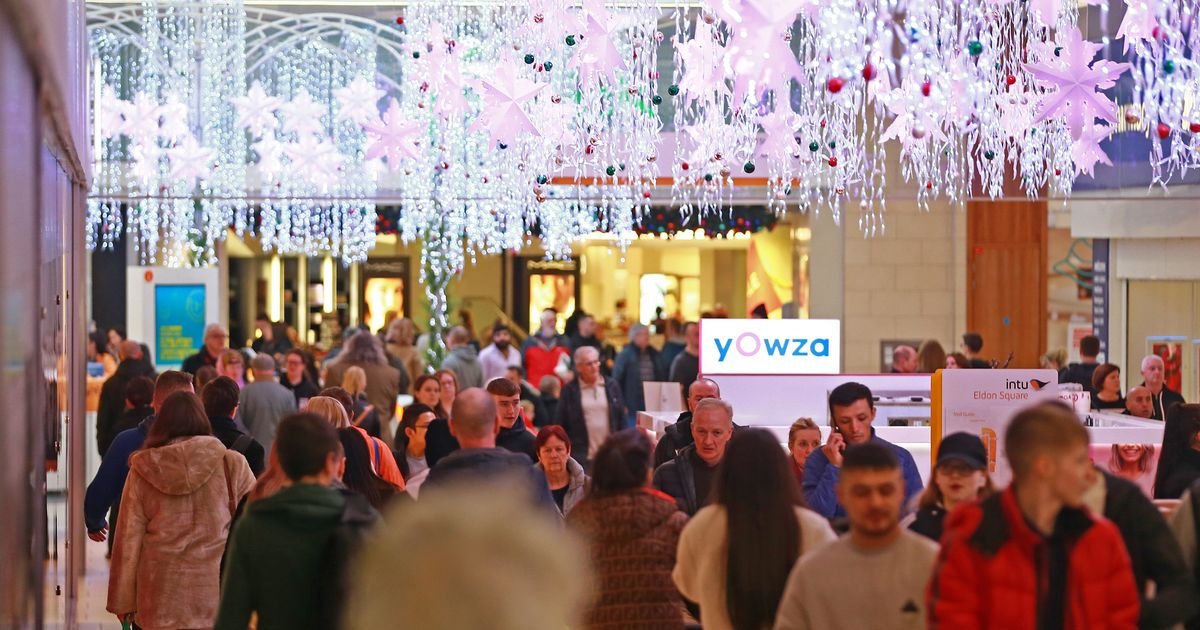

Britons are expected to spend a whopping £3.43 billion on last-minute Christmas shopping during what is being referred to as “Panic Weekend.” According to predictions from discount site VoucherCodes.co.uk, around 49.6 million people will engage in festive shopping this weekend, with 36.8 million of them opting for in-store purchases, providing a boost to town and city centers nationwide.
The forecast suggests that spending will peak at an average of £2.3 million per minute on “Super Saturday,” totaling £1.75 billion overall. This upcoming weekend represents the final opportunity before Christmas for many individuals to either complete their gift purchases or, in some cases, start them.
Zoe Morris, savings expert at VoucherCodes.co.uk, highlighted the trend, stating, “No matter how well-prepared you believe you are, there are always a few essential Christmas items that catch you off guard, prompting a last-minute dash to the stores. This year, Brits are procrastinating on their shopping until the eleventh hour, with an additional 10 million people expected to make purchases during this ‘Panic Weekend’ compared to last year, marking a 26.2% increase in shoppers.”
The positive news for retailers is that the projected spending surge over the weekend is nearly 13% higher than the previous year. Data on foot traffic shows a 5.1% increase in shoppers out and about last week, with the high street emerging as the preferred shopping destination.
Retail experts are encouraged by these trends as the Christmas countdown enters its final phase. With the last ten days of trading underway and ‘Super Saturday’ approaching quickly, foot traffic is anticipated to rise further.
The true outcome of this optimistic forecast will only be revealed when stores begin reporting their festive sales figures early next year. Concerns surrounding the late timing of the Budget in late November and the looming threat of tax hikes have impacted consumer spending. Early indicators suggest that household sentiment following the Autumn Budget has not improved, with households expressing heightened pessimism about their future financial well-being.
Maryam Baluch, economist at S&P Global Market Intelligence, remarked, “The latest household confidence data post-Autumn Budget is disheartening. Sentiment towards financial prospects over the next year has reached its lowest point in two years. Current financial conditions for households have also worsened in December, driven by decreased available cash and an increased need for borrowing. Job security confidence has dwindled, with signs of deteriorating job stability.”
In light of subdued household confidence and early signs of job uncertainty, UK households are facing challenges as they navigate an uncertain economic landscape heading into the new year. This financial environment has dampened spending intentions, indicating that consumers are unlikely to provide significant economic uplift in 2026.