
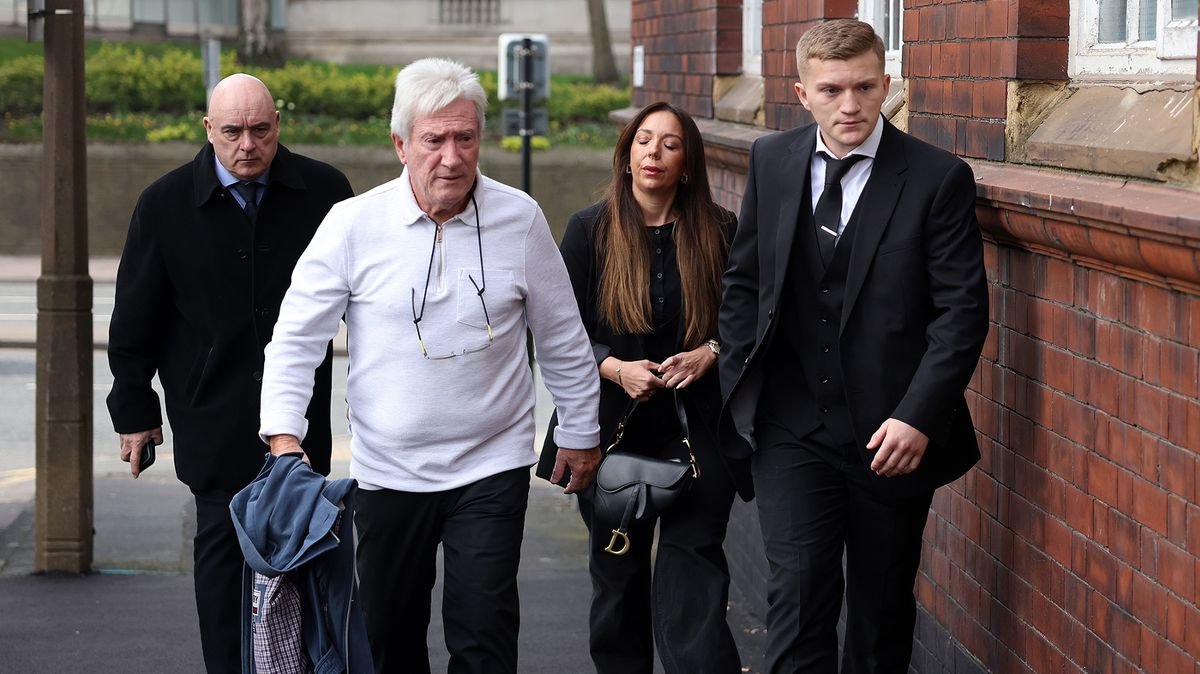

Ricky Hatton, the boxing legend, was discovered deceased at his residence in Manchester a year ago, with injuries that indicated hanging, according to a pathologist’s report. The cause of death was confirmed as hanging, and there were no signs of suspicious circumstances surrounding the incident, as revealed during the inquest at Stockport coroner’s court. Family and friends, including Hatton’s son Campbell, gathered for the proceedings.
The inquest also disclosed that Hatton, aged 46, was found at his £1.7 million home in Hyde by his long-time friend and manager, Paul Speak. Reports indicated that he had last been seen alive on September 12, seeming well, before he failed to attend a scheduled event. On the morning of September 14, Speak went to collect Hatton for a trip, only to find him unresponsive at the property.
It was highlighted during the inquest that Hatton had plans for the future and no indication of suicidal intentions was found. The coroner, Alison Mutch, stated that based on the evidence, it was not possible to determine a suicide, resulting in a narrative verdict. The presence of alcohol influence and evidence of chronic traumatic encephalopathy from a post-mortem examination were factors considered in the conclusion.
Furthermore, post-mortem evidence revealed signs of chronic traumatic encephalopathy in Hatton, a degenerative brain disease associated with repeated head injuries, commonly observed in boxers. The examination also showed degenerative changes in his brain, consistent with conditions like Alzheimer’s disease. Despite past struggles with alcohol and drugs, Hatton’s family believed he was in a good place before his passing, with significant future plans and no indication of premeditated actions.
The inquest shed light on Hatton’s last moments, including his time spent with family and his positive outlook towards the future, dispelling any notions of intentional self-harm. The findings emphasized the impact of chronic traumatic encephalopathy on his health and memory, reflecting a balanced view of his life and circumstances leading up to the tragic event.