

Many individuals are now aware that microplastics can be present in their food and beverages. Seafood, in particular, has been singled out for containing these particles, as studies have detected them in nearly all fish and shellfish samples.
The production of plastic has been steadily rising since the 1960s, leading to approximately eight million metric tons of plastic entering the oceans each year. Over time, this plastic degrades due to sunlight exposure and wave action, transforming into microplastics – tiny fragments less than 5mm in size.
Despite the common belief that microplastics are mainly found in seafood, environmental expert Catherine Rolph, in an article for The Conversation, warns that these contaminants can also be found in various other food sources. Studies have indicated that individuals may unknowingly consume anywhere from zero to 1.5 million microplastic particles daily from their food and drinks.
Rolph highlights that chewing gum, whether synthetic or made with natural plant polymers, can release a significant number of microplastics while being chewed. The expert suggests extending the chewing time of a single piece of gum to reduce exposure.
Moreover, Rolph points out that salt products worldwide are heavily contaminated with microplastics, especially terrestrial salts like Himalayan salt. She recommends using ceramic or metal salt grinders and storing salt in non-plastic containers to minimize exposure.
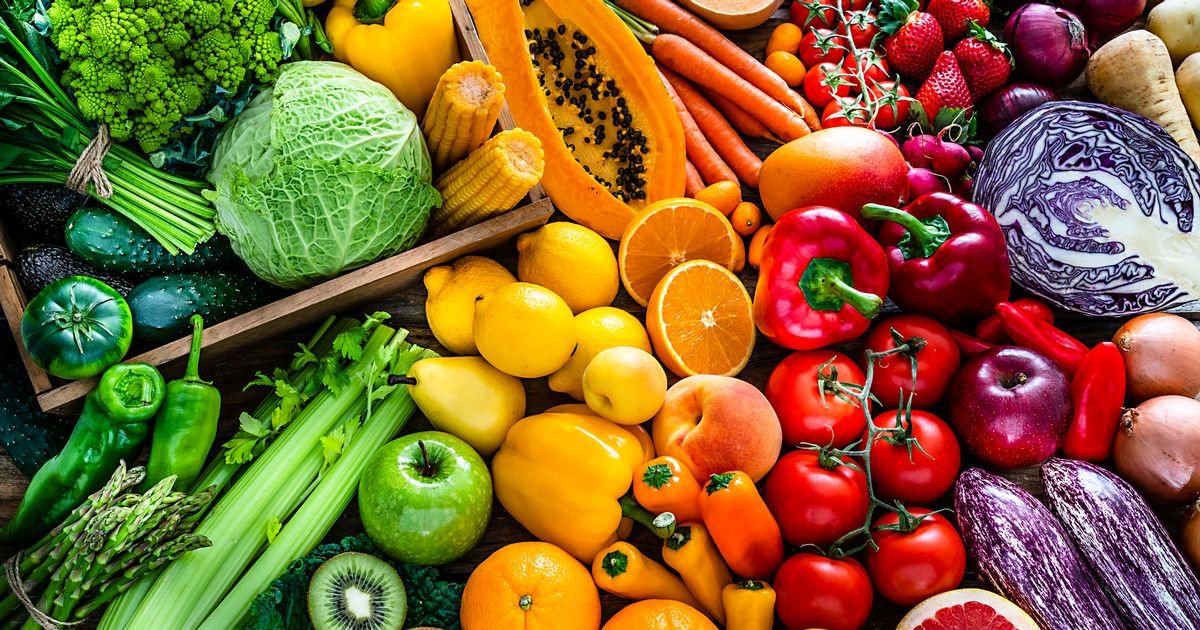
Additionally, research has shown that fruits and vegetables can contain microplastics, with apples and carrots being among the most contaminated. Despite this, the contamination levels in produce are relatively low compared to highly processed foods. The expert encourages continued consumption of fruits and vegetables for their health benefits.
Furthermore, hot beverages like tea and coffee can also contain microplastics, with disposable plastic-lined takeaway cups being a significant source of contamination. Switching to cold beverages and using glass bottles for milk can help reduce exposure to microplastics.
In conclusion, while eliminating plastics entirely from diets may be challenging, making simple swaps such as using glass containers, avoiding disposable plastic products, and opting for tap water can help reduce exposure to microplastics in daily consumption habits.