
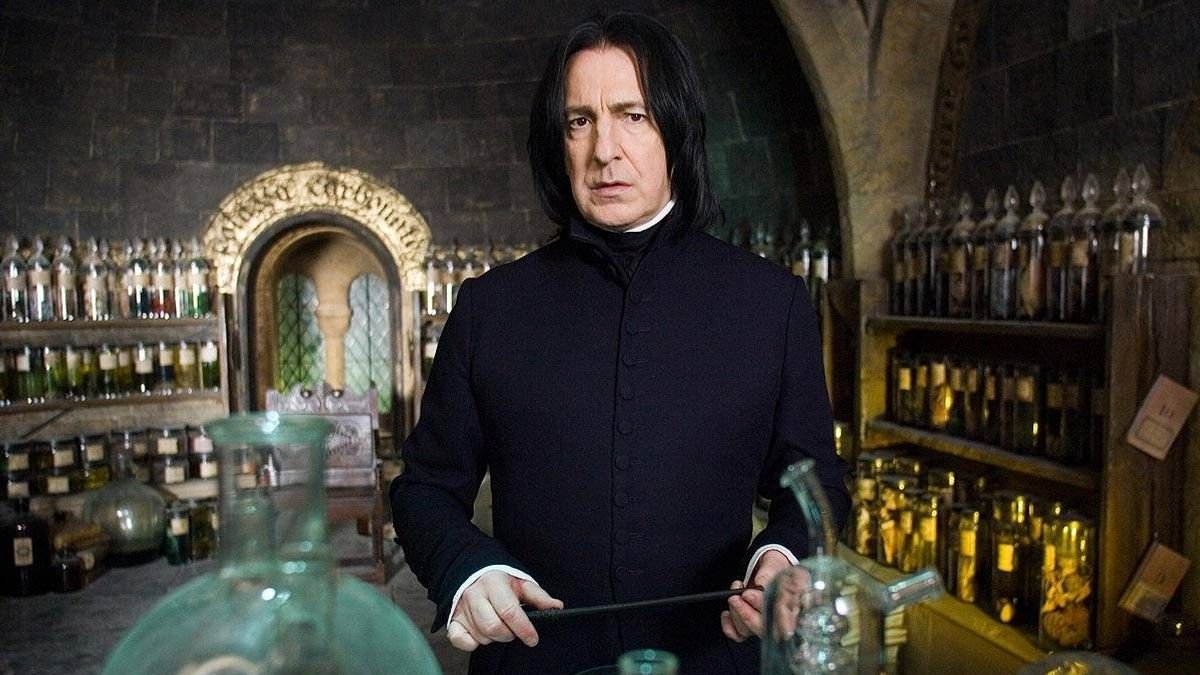

Renowned for his iconic portrayal of Severus Snape in the Harry Potter film series, Alan Rickman left behind a complex legacy, with revelations from his personal diaries shedding light on his inner turmoil while working on the franchise. His candid thoughts, shared posthumously by his wife Rima Horton in the book “Madly, Deeply: The Alan Rickman Diaries,” offer a glimpse into his mixed feelings about his involvement in the movies.
Rickman’s initial reservations about Harry Potter were evident even before the release of “The Philosopher’s Stone,” expressing a sense of detachment towards the project that troubled him. Despite his critical stance on certain aspects, such as the film’s music score by John Williams, he did find solace in the camaraderie of post-screening gatherings at the Savoy. While he initially declared he was done with the franchise after the second installment, he later committed to seeing it through, praising “The Prisoner of Azkaban” for its mature and artistically daring approach.
Notably, Rickman’s collaboration with director David Yates and producers David Heyman and David Barron faced scrutiny, particularly after watching “The Half-Blood Prince.” He commended the visual effects and character development but lamented the lack of a cohesive narrative. His dissatisfaction extended to Snape’s poignant demise in the final film, criticizing the portrayal as overly dramatic and unsettling, despite audience approval.
Following his tenure in the wizarding world, Rickman pursued diverse roles, culminating in his posthumous performance as the Caterpillar in “Alice Through The Looking Glass” in 2016. Though his journey with Harry Potter had its challenges, Rickman’s contributions to cinema endure beyond the magical realm, leaving a lasting impact on audiences worldwide.