
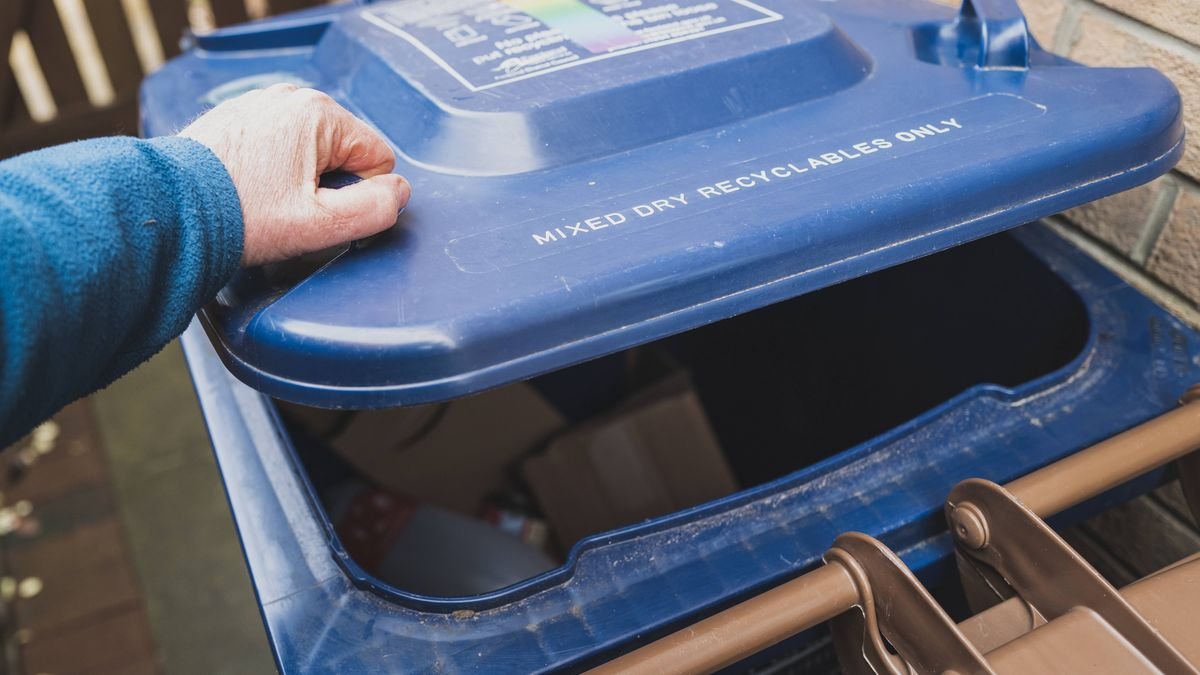

In a wheelie bin, discovering extra bags of trash may surprise many individuals. However, when neighbors repeatedly commit this act, it can quickly escalate into a serious dispute, especially when collections are missed and contamination rules are violated.
According to guidance from local authorities across the UK, household bins are typically designated for specific properties, and residents bear the responsibility of ensuring proper waste disposal. Councils have the authority to investigate complaints regarding consistently overloaded bins, contamination, or misuse that breaches regulations.
Manchester City Council emphasizes that residents must only dispose of rubbish in bins assigned to their property, warning that overflowing waste can lead to environmental and hygiene concerns. Additionally, contaminated recycling bins may not be collected at all.
While there is no specific criminal offense for neighbors depositing trash in someone else’s bin, legal experts caution that issues can arise if this behavior results in fly-tipping, contamination, or missed collections. Councils can issue fixed penalties for improper waste disposal or causing environmental disturbances.
Keep Britain Tidy points out that contamination remains a significant issue affecting household recycling collections nationwide. Putting inappropriate waste in recycling bins can result in entire loads being rejected, increasing costs for both councils and residents.
Certain councils advise against taking bins from neighboring properties or overfilling bins that do not belong to them. Leeds City Council stresses the importance of bins remaining registered to the correct address to avoid complications with collection and enforcement.
Environmental law experts highlight that repeated misuse of bins could contribute to broader neighbor disputes if it constitutes anti-social behavior or ongoing nuisance. In severe cases, councils may intervene under environmental protection and anti-social behavior laws.
It is recommended to resolve bin disputes informally initially to prevent escalation. Dialogue is often the quickest way to prevent neighbor disagreements from worsening.
Residents are advised to keep records or photos showing repeated misuse or contamination concerns if problems persist. This evidence may be crucial if formal complaints or enforcement actions become necessary.
Persistent misuse of another person’s bin, even if occasional, can lead to wider environmental, collection, and neighbor conflict issues. Addressing problems early is typically the most effective way to prevent tensions from escalating.