
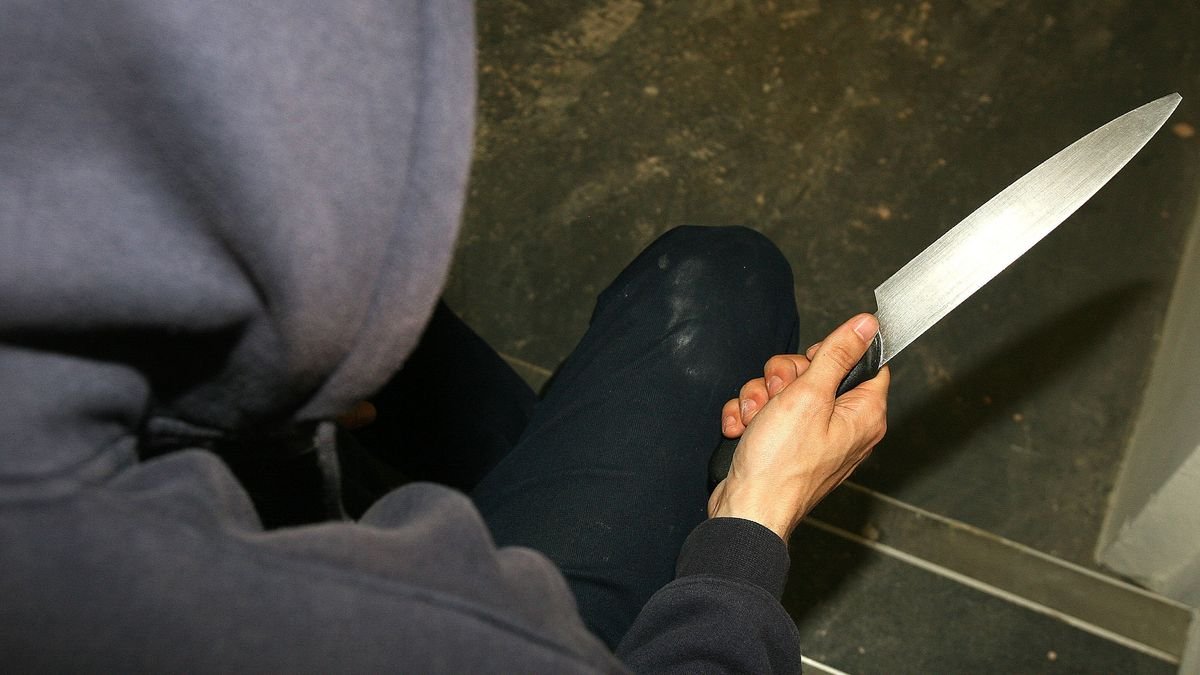

Knife-point robberies in high-impact areas have seen a significant decrease of 15% compared to the same period last year, according to recent data. The Home Office reported the closure of over 3,000 county lines networks, resulting in approximately 2,500 fewer individuals facing the threat of being robbed at knifepoint.
Moreover, efforts to combat drug smuggling, particularly those exploiting children, have led to more than 8,000 arrests. The data further reveals that over 4,000 vulnerable individuals, including youngsters, have received support to steer them away from gang involvement.
Policing Minister Sarah Jones commended the progress in addressing knife crime, stating that it reflects the effective implementation of strategies rather than coincidental improvements. The government’s County Lines Programme has closed 3,042 county lines and made 8,226 arrests since July 2024. This initiative also resulted in the seizure of 923 knives and 4,323 safeguarding referrals.
Following their commitment to halve knife crime within a decade, the Labour party has seen positive outcomes. Families affected by violence, such as Pooja Kanda, whose son was tragically killed by teenagers using a sword, have expressed gratitude for the government’s efforts.
Kate Wareham, strategic director of the anti-knife crime organization Catch22, praised the Home Office’s progress in combating county lines activities and safeguarding vulnerable individuals. The launch of the Knife-Enabled Robbery (KER) Taskforce in October 2024 targeted seven severely impacted regions, resulting in a 15% reduction in knife-enabled robberies in these areas.
The joint efforts of government agencies, campaigners, and communities highlight the potential to address youth violence effectively and enhance protections for young people.