
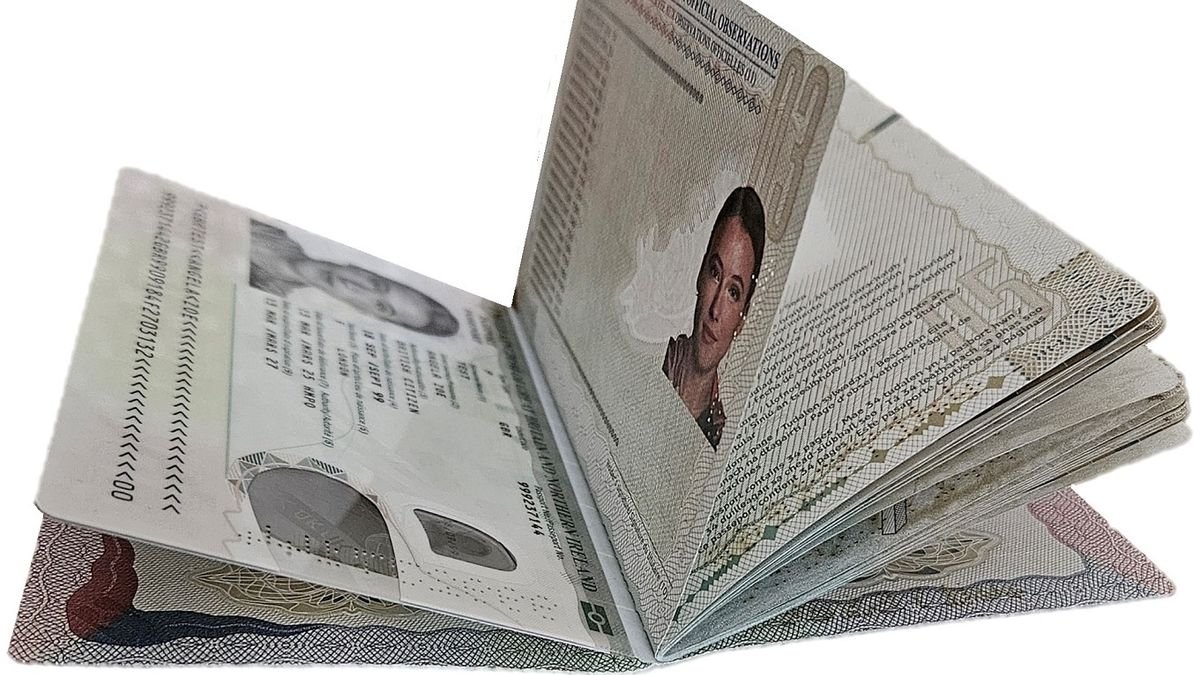

Huge transformations have been implemented on British passports starting today, featuring a new cover, updated interior imagery, and a range of security elements aimed at outsmarting criminals and counterfeiters. The latest design showcases the coat of arms of King Charles III for the first time, with the initial batch of 300 passports already in circulation.
Internally, the revamped passport includes visuals of four UNESCO-protected natural landscapes – Ben Nevis, the Lake District, Three Cliffs Bay, and the Giant’s Causeway – symbolizing the four nations of the UK. This comprehensive redesign marks the first complete overhaul of the UK Passport since 2020, incorporating advanced anti-forgery technology as highlighted by the Home Office, making it the most secure passport ever produced.
Mike Tapp, the Minister for Migration and Citizenship, expressed pride in the new British passports, emphasizing their representation of heritage through features such as His Majesty’s Coat of Arms and landscapes from all four nations, in addition to enhancing security. He also commended the passports for being the most secure in British history, aiding in border protection and delivering exceptional public service.
The HM Passport Office (HMPO) has introduced numerous security enhancements to passports over the years, with the first watermark implemented in 1972. The latest passports boast intricate patterns that are challenging to duplicate, along with features visible only under UV light, aiming to stay one step ahead of criminals.
In a significant technological advancement, the Home Office completed a four-year project to migrate over a billion UK passport records, including personal data like names, dates of birth, and facial images, to a secure cloud-based platform. This system has successfully processed over 350 million queries, averaging just 200 milliseconds, facilitating the smoother issuance of 4 million passports. This transition has also resulted in an 88% reduction in carbon emissions, equivalent to saving the annual emissions from driving 57,000 miles in an average petrol car.
According to government reports, approximately 5.1 million passports were issued on time in the first nine months of 2025, with 99.7% of straightforward applications processed within three weeks, showcasing efficient service delivery.