
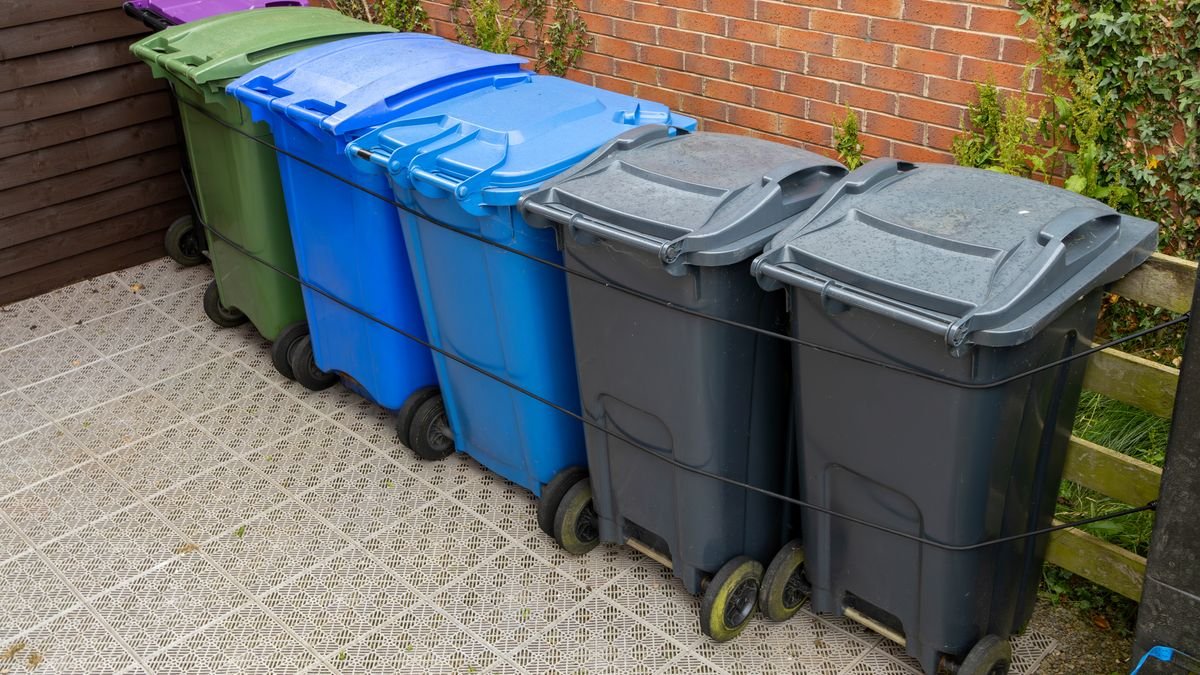

Households throughout the United Kingdom have been cautioned about potential issues with their bins due to new recycling regulations that will be implemented starting March 31. The adjustments, part of the government’s Simpler Recycling initiative, will involve councils providing up to four separate bins for various types of waste in order to eliminate inconsistencies in recycling practices.
These changes include dedicated receptacles for mixed recycling, paper and cardboard in certain regions, food waste, and general trash. However, experts are concerned that misunderstandings surrounding the new system could lead to conflicts, especially in cases where bins are shared among multiple households or when waste collections are rejected.
Simarjot Singh Judge, managing partner at Judge Law, highlighted that the alterations might strain relationships between neighbors if waste is not properly segregated. He emphasized the risk of disputes arising when recycling processes become more intricate, especially if one household’s actions impact others.
One major issue to watch out for is “contamination,” which occurs when incorrect items are placed in recycling bins, potentially resulting in entire collections being refused. Common errors include placing food waste in the wrong bin, improper mixing of materials, or including non-recyclable items like greasy pizza boxes.
Mr. Judge pointed out that if a bin is contaminated, councils have the authority to refuse collection, affecting not only the household in question but also neighboring residences. This situation can lead to frustration, particularly in areas with communal bins or close proximity between properties, often prompting complaints from affected parties.
While most incidents may not escalate, recurring problems could prompt warnings or further intervention from local authorities. Mr. Judge clarified that councils possess the ability to enforce recycling regulations, typically starting with guidance or warnings before resorting to fines.
He emphasized the importance of understanding local guidelines and correctly sorting waste from the start to prevent practical issues such as missed collections and unnecessary conflicts with neighbors. Adjusting to the new system and avoiding misunderstandings during the initial phase is crucial for smooth implementation.
The enforcement of the new bin regulations will be overseen by councils through civil penalties, with complaints managed by the respective local authority and fines issued by the council responsible for waste collection.