
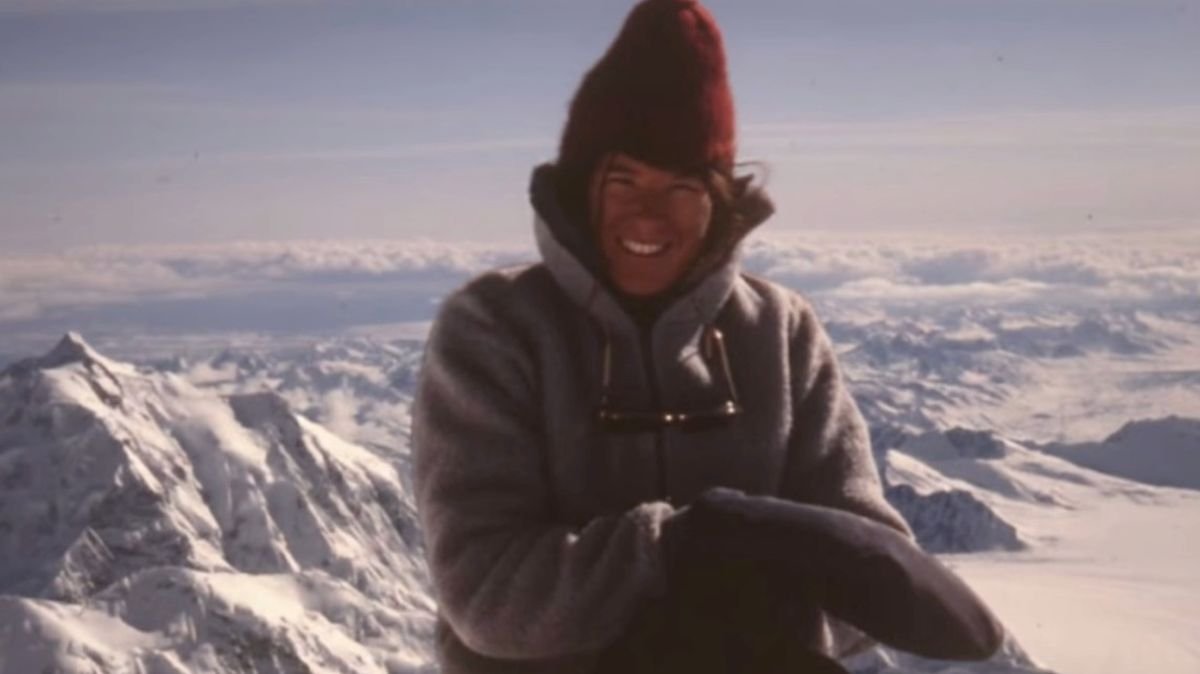

Marty Hoey, a highly skilled climber, joined the American expedition on Mount Everest’s North Face in the spring of 1982. With a strong reputation in mountaineering circles, Hoey, aged 31, had already demonstrated her expertise in challenging environments worldwide.
As a professional guide with Rainier Mountaineering Inc, Hoey had conquered peaks like Mount Rainier, Denali, Pik Lenin, and Nanda Devi multiple times. Known for her composure under pressure and sound decision-making, her experience was crucial on the perilous Great Couloir route on Everest’s North Side.
Tragically, during a routine climb with Jim Wickwire to Camp VI at approximately 26,000 feet on May 15, a mishap occurred. Hoey’s safety line disconnected due to an improperly secured harness buckle, causing her to plummet down the icy couloir.
Despite Wickwire witnessing the accident, there was no chance to prevent Hoey’s fall, leading to her tragic demise. Her body was never recovered from the mountain’s depths, thwarting her ambition to be the first American woman to summit Everest.
The expedition team was deeply shocked by Hoey’s death, recognizing her pivotal role in their endeavor. Team leader Lou Whittaker believed her absence influenced the decision to abort the summit attempt, acknowledging the potential difference her presence could have made.
While Hoey never achieved her dream, the climbing community remembers her for her dedication, skill, and professionalism. Her legacy endures, overshadowing the tragic loss suffered by her untimely death.
In a separate heartbreaking event, two British climbers, Peter Boardman and Joe Tasker, lost their lives on Mount Everest days later while attempting the uncharted North-East Ridge. Boardman’s body was discovered a decade later, while Tasker’s remains have yet to be found.