
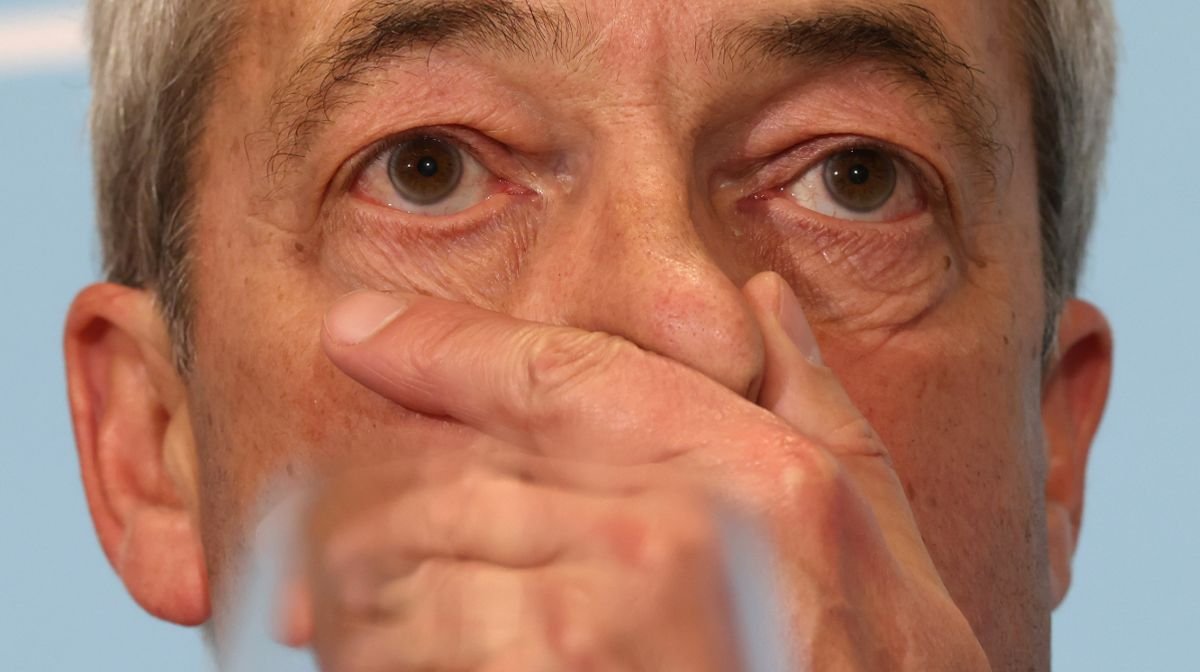

In the midst of the recent Budget announcement by the government, a significant development involving Nigel Farage has surfaced. Allegations have been made by several of Farage’s former schoolmates regarding his purported use of derogatory and racist language, including antisemitic remarks, during his time at Dulwich College. These reported comments have sparked controversy and concern.
In response to these allegations, Farage, the leader of Reform, downplayed the seriousness of the accusations by dismissing them as mere “playground banter” when questioned by the media. Such a response from a political figure has been deemed both disconcerting and insensitive.
Having previously served as the Chair of the Jewish Labour Movement, my focus was on supporting Keir Starmer in his efforts to combat antisemitism within the Labour Party and restore its electability. Addressing issues of racism and discrimination remains an ongoing challenge for society, with instances of antisemitism and other forms of racism on the rise.
It is crucial for public figures to be mindful of the impact of their words, as hurtful comments can have real-world consequences. The recent synagogue attack in Manchester has heightened fears among the Jewish community, emphasizing the importance of responsible language use by leaders in shaping the kind of inclusive society we aspire to build.
Keir Starmer’s post-Budget activities included a visit to a synagogue to listen to firsthand accounts of antisemitism experienced by students, highlighting the emotional toll and division caused by such incidents. In contrast, Farage’s Reform party has been criticized for exploiting societal divisions and promoting discord, particularly through his history of inflammatory remarks directed at minority groups.
Prime Minister Boris Johnson has called on Farage to engage directly with affected communities by visiting synagogues, mosques, and other communal spaces to understand the impact of his words. However, given Farage’s divisive tactics, it remains uncertain whether he will accept this challenge.
Amidst the recent political developments, it is worth noting the allocation of over £1.5 billion in the Budget to support youth employment and educational opportunities. The introduction of the ‘Youth Guarantee’ aims to provide paid work placements for eligible 18- to 21-year-olds on Universal Credit, while also offering free apprenticeship training for under-25s at small and medium-sized enterprises.
Labour’s commitment to empowering young individuals and preventing their exclusion from economic opportunities underscores the party’s resolve to nurture future generations of innovators and entrepreneurs. Despite the distractions in the political landscape, the focus remains on creating a more inclusive and prosperous society for all.