

In a recent conversation with Emile Heskey, he discussed how seasoned professional athletes can sense the effects of aging on their performance. The realization may not come suddenly, but rather through subtle changes in abilities. Tasks that were once effortless, like controlling a ball, may now require extra effort. Movements become slightly slower, noticeable only to the player themselves, indicating that time is gradually catching up.
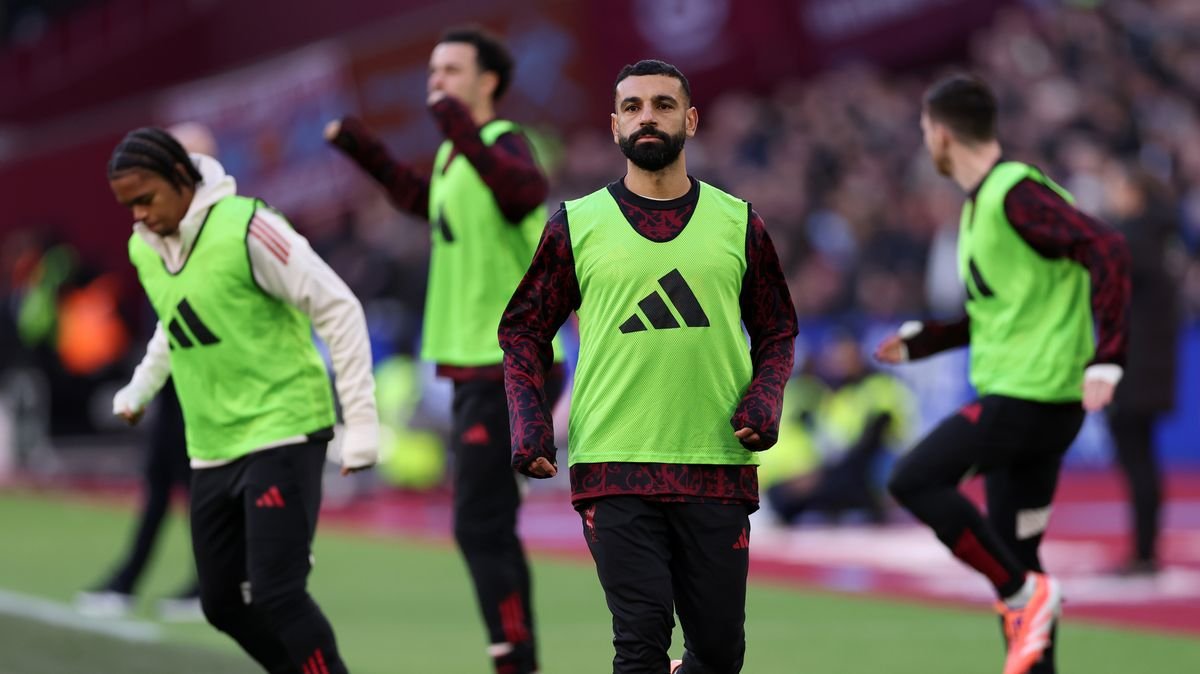
Mohamed Salah has experienced a somewhat lackluster start to his current Premier League and Champions League season. However, there is no reason to believe this signals a permanent decline in his performance. Experts like John Aldridge suggest that even top players like Salah may benefit from occasional benching to refocus and reignite their drive to excel.
Acknowledging the physical demands of a long career with nearly 800 appearances, it becomes clear that Salah, despite his resilience, cannot maintain peak form consistently throughout a rigorous nine-month season. Managing his playing time effectively will be crucial, especially considering his upcoming commitments with his national team.
While Salah is expected to contribute in future games before the Africa Cup of Nations, a strategic approach may involve giving him extended breaks to recharge and return rejuvenated. This decision falls on the Liverpool manager, Arne Slot, who faces the delicate task of balancing Salah’s rest periods with the team’s performance needs.
Slot may need to navigate the challenge of convincing Salah that strategic rest periods are essential for his long-term performance, even if it means occasional bench time. It’s a decision that requires careful consideration and effective communication to ensure Salah’s well-being and sustained success.
As the situation unfolds, it will be interesting to see how Slot manages Salah’s playing time to optimize both the player’s performance and the team’s overall success.