
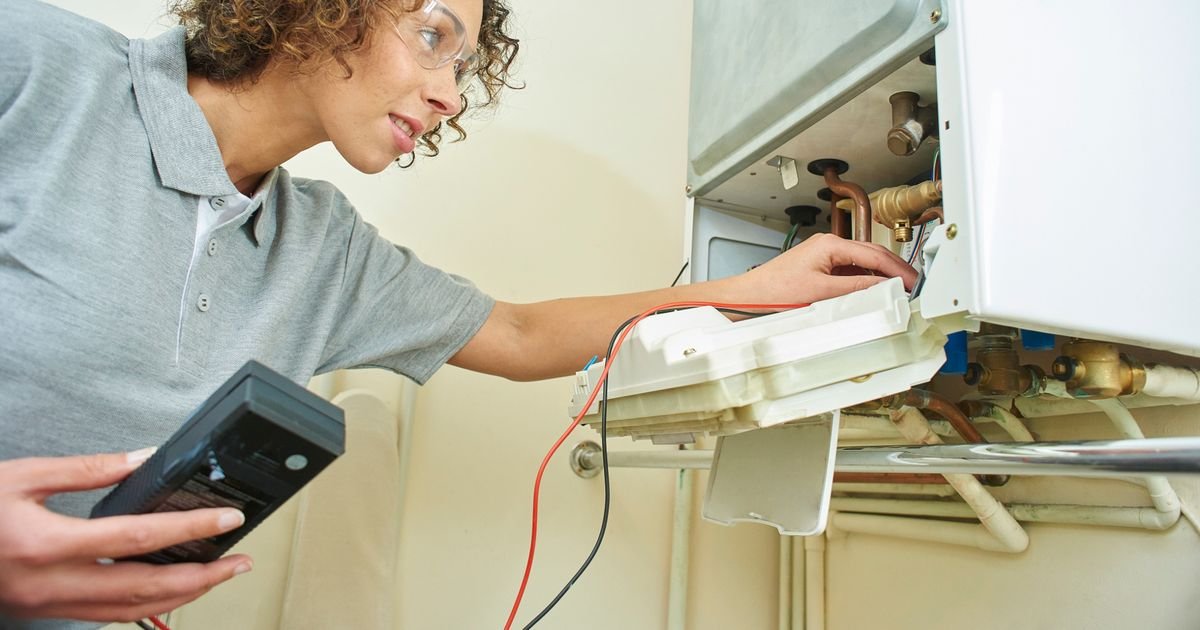

As we approach December and temperatures drop, it’s crucial to understand how your heating system operates. If your boiler is not functioning correctly and you’re concerned about the cost of a professional, here are some tips. We will also explore the value of insurance policies that cover home emergencies.
A personal experience in a new flat highlighted the importance of knowing how to operate a thermostat effectively. Surveys consistently reveal that many individuals find thermostats puzzling. Despite setting a temperature, most people rarely adjust the dial. With the recent energy bill crisis, more individuals are becoming familiar with their heating systems, investing in smart thermostats, or reading boiler manuals. However, for many, the heating system remains a mystery.
Every year, individuals spend significant amounts on emergency callouts for thermostat issues that are easily fixable. One common problem is thermostats requiring a simple battery change. Confusing symbols on the boiler often lead to unnecessary callouts, as the device may not be receiving the expected instructions. Smart thermostats can also experience malfunctions, indicated by a blinking screen. Rebooting the thermostat and referring to the guide can usually resolve issues.
If your boiler continues to malfunction, perform basic checks such as adjusting the dials, pressing the ‘boost’ option, and observing the boiler’s response. Repressurizing the boiler may seem daunting, but following the steps carefully can resolve the issue. Ensure the boiler is turned off to avoid potential leaks or burns.
For radiator problems, bleeding them can enhance heating efficiency by releasing trapped air. Energy companies often provide guides on how to bleed radiators. If considering a boiler or home emergency policy, understand the coverage before making a claim. Check for hidden costs, rights, and repair timescales.
It’s essential to differentiate between insurance products and service contracts when selecting a boiler policy. Look for key features like a 24/7 emergency helpline, ‘no claims’ periods, call-out limits, and age restrictions for boiler coverage. If your boiler is older, some policies may not cover it. Consult your home insurer for potential add-on options.
Regularly testing your boiler and keeping the thermostat low can help identify issues early and prevent pipe damage. Prioritize maintenance to avoid last-minute emergencies. Remember to adjust the thermostat when away for the holidays but refrain from switching off the boiler completely.
Understanding these tips and being proactive can help you maintain a functional heating system and avoid unnecessary expenses.