
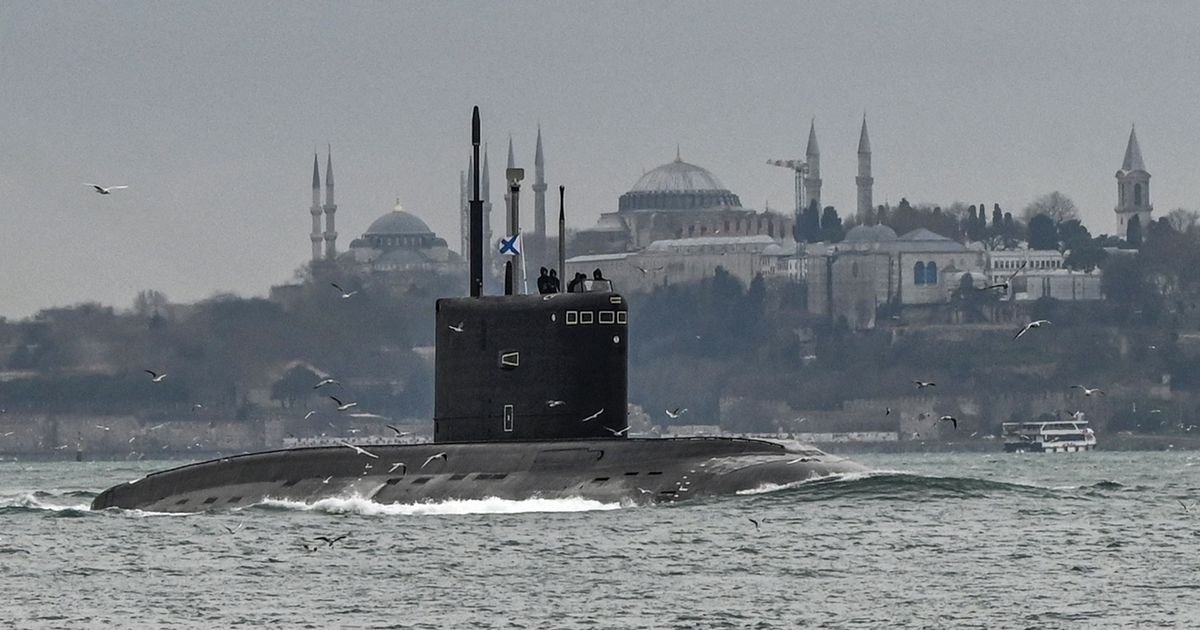

Britain has placed significant emphasis on safeguarding its northern border due to the escalating threat posed by Russia. It is reported that Russian submarines have been increasingly conducting covert operations in the area, potentially to survey access points to UK facilities and underwater cables.
These submarines have been detected lurking near the coastline more frequently, likely as a test to assess their detectability and to gauge the UK’s response. The strategic importance of this activity lies in the vital network of cables connecting Europe, the UK, Ireland, and North America, facilitating millions of financial transactions and secure communications.
Concerns arise from the potential sabotage of these cables during wartime, with fears of destructive actions by Russian Special Boat Service commandos known as Naval Spetsnaz. These operatives have purportedly trained to infiltrate the sea from submarines to disrupt vital underwater infrastructure, particularly targeting the UK.
Furthermore, there are suspicions surrounding Russia’s development of “domesday bombs,” capable of causing catastrophic underwater explosions that could generate tsunami-like waves to devastate enemy coastlines. The deployment of such weapons could pose a significant threat during conflicts, although the extent of their advancement remains undisclosed.
Russia’s clandestine underwater operations, including its covert submarine fleet and specialized naval units, are shrouded in secrecy, underscoring the nation’s strategic focus on maritime capabilities. The emerging importance of the North Atlantic as a trade and military corridor accentuates the necessity for collaborative security arrangements, exemplified by the critical partnership between Norway and the UK.
Norway, a NATO ally with strong military ties to the UK, plays a pivotal role in bolstering security in the region, exemplified by joint training exercises involving Royal Marines Commandos. The UK’s advanced Type-26 frigates are instrumental in countering the submarine threat posed by Russia, equipped with sophisticated anti-submarine warfare systems and versatile maritime combat capabilities.
As climate change opens up new maritime routes in the North Atlantic, the region is poised to become a key nexus for trade and military activities, elevating the importance of safeguarding these strategic waterways. The collaborative efforts between Norway and the UK underscore the imperative of upholding security and bolstering global influence in this crucial maritime domain.