
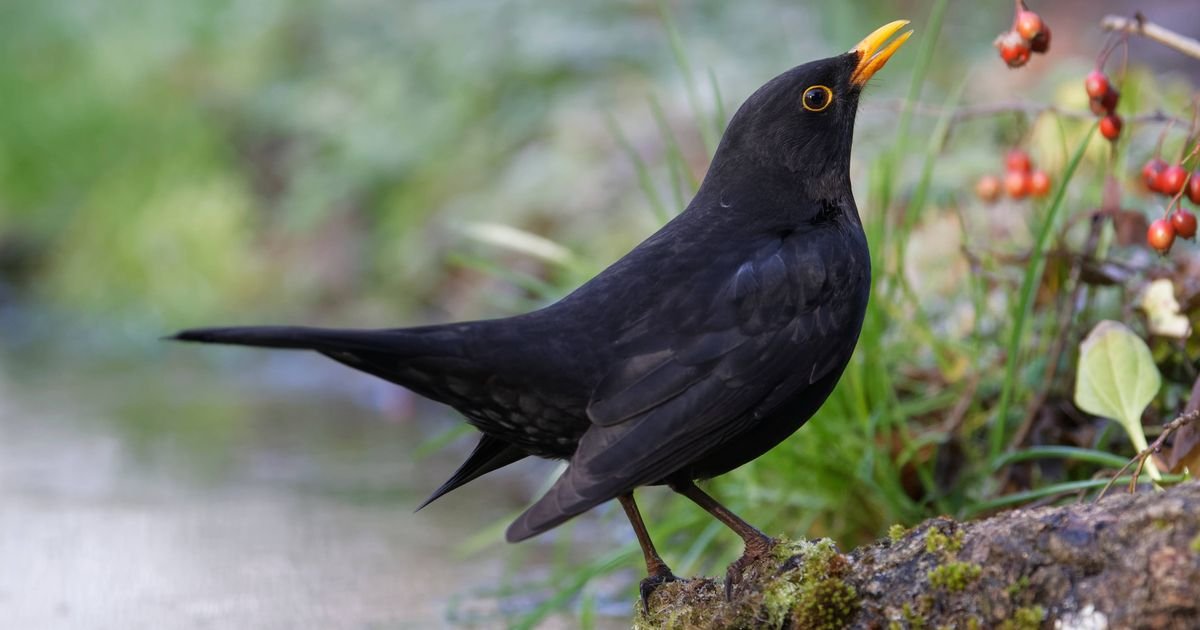

Many individuals find joy in observing the various bird species that visit their gardens. From winter robins to sparrows, bluebirds, and blackbirds, these feathered visitors are often a delightful sight.
Every year, significant amounts of money are spent on bird feed in the hopes of attracting a diverse array of birds to outdoor spaces. However, an expert is now urging people to reconsider their approach to bird feeding, citing three key reasons.
Renowned ornithologist Jack Baddams, known for his work on BBC Springwatch, emphasizes that providing seeds and pellets to birds may do more harm than good. In a recent Instagram post, he articulated his concerns.
Baddams stated, “Despite my lifelong practice of bird feeding, recent research has raised doubts. While the intention is to compensate for lost natural food sources due to habitat destruction, the use of artificial feeders may pose risks.”
He explained that bird feeders can facilitate the spread of diseases among different bird species, potentially impacting their ability to thrive in changing environments. Instead, he recommends alternative methods to attract birds while ensuring their well-being.
Highlighting the repercussions of diseases transmitted at feeders, Baddams recounted instances where populations of greenfinches and chaffinches were significantly affected. He emphasized the need to rethink traditional bird feeding practices and focus on sustainable approaches.
In his observations, Baddams pointed out the environmental impact of producing bird feed, highlighting the extensive resources involved in cultivating and transporting bird food from distant locations. He urged a shift towards creating natural habitats for birds rather than relying solely on artificial feed.
Baddams raised concerns about the imbalance created by favoring certain bird species through excessive feeding, potentially disadvantaging others. He emphasized the importance of fostering ecosystems in gardens to support diverse bird populations and reduce reliance on processed bird food.
Offering practical advice, Baddams suggested various steps individuals could take to promote bird conservation without solely relying on artificial feeders.