
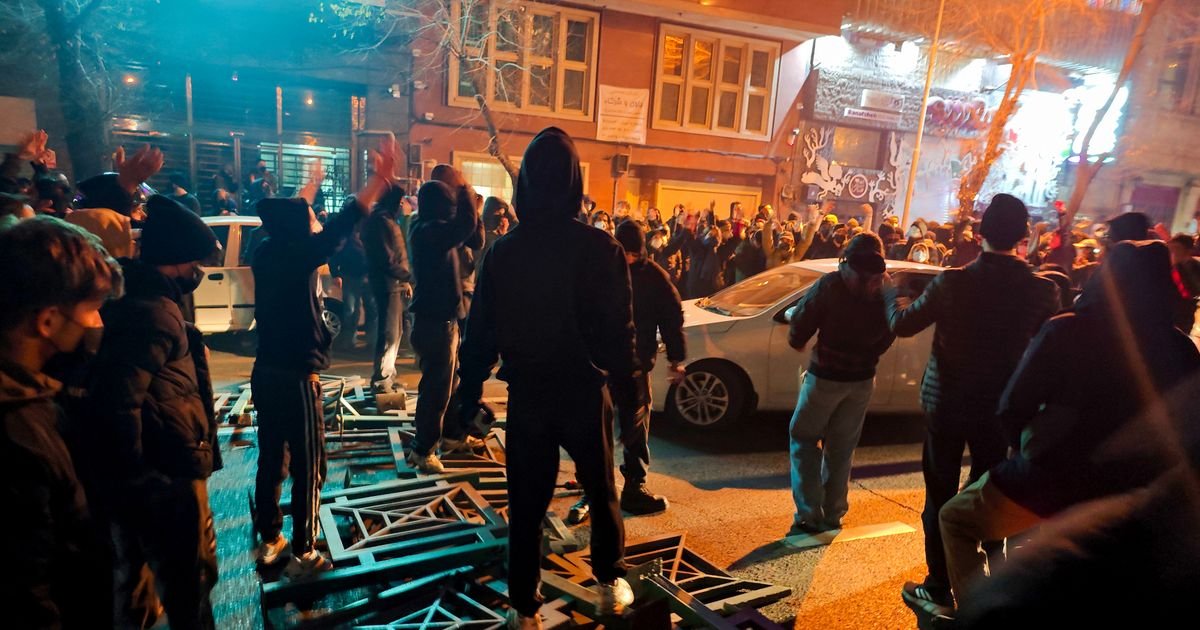

Recent violent unrest in Iran has escalated dramatically, marked by a harrowing internet blackout, numerous protester fatalities, and imminent execution of a demonstrator. An expert on Iran’s political landscape has shed light on the blackout’s impact on citizens and their disconnected loved ones.
Stranded without contact with their families, many Iranians abroad are deeply concerned as the world watches in suspense during the sixth consecutive day of violent turmoil. Iranian officials have acknowledged that over 2,000 individuals have perished in the ongoing protests. Reports have surfaced detailing grim scenes of street executions, troops firing at crowds, and individuals being fatally assaulted with police weapons.
Mass anti-government demonstrations erupted last week in Iran, posing a significant challenge to the regime. This led to a brutal crackdown by security forces, including a widespread internet blackout and a rise in casualties. Among the victims is Erfan Soltani, slated to be the first protester executed by the regime without legal representation. Additionally, 23-year-old Rubina Aminian, a fashion student, was fatally shot during the initial crackdown on January 8 as she joined the protests.
A firsthand account from 25-year-old artist Maryam, who participated in Tehran’s protests, revealed the intense violence on the ground, with security forces targeting protestors. As tensions rise, the international community, including the US, contemplates intervention, prompting Amnesty International to call for an end to the pervasive blackout. Researcher Rebecca White emphasized the deliberate suppression of information by Iranian authorities to conceal human rights abuses.
The ongoing protests against Iran’s Supreme Leader have been met with severe backlash, reminiscent of past uprisings. The current blackout, implemented on January 8, is believed to be a tactic to obscure violations of international law. White highlighted the detrimental impact of the blackout, preventing access to vital services and impeding communication among citizens and the outside world.
White underscored the critical need for information amid the crisis and the challenges posed by the blackout in documenting abuses. She condemned the regime’s actions, noting a pattern of impunity and past violations of international law. The blackout, according to White, serves to conceal atrocities and hinder accountability, echoing previous instances of internet shutdowns in Iran.
As the situation unfolds, reports of widespread use of lethal force by security services continue to emerge, with hospitals overwhelmed by the influx of injured individuals. The international community condemns the violence, with calls for transparency and accountability in handling the protests.
Amid escalating tensions, President Trump’s administration has imposed tariffs on countries engaging with Iran and hinted at potential military action. The president’s firm stance against the violent crackdown on protesters reflects growing international concern over the situation in Iran.
At Reach and across our entities we and our partners use information collected