
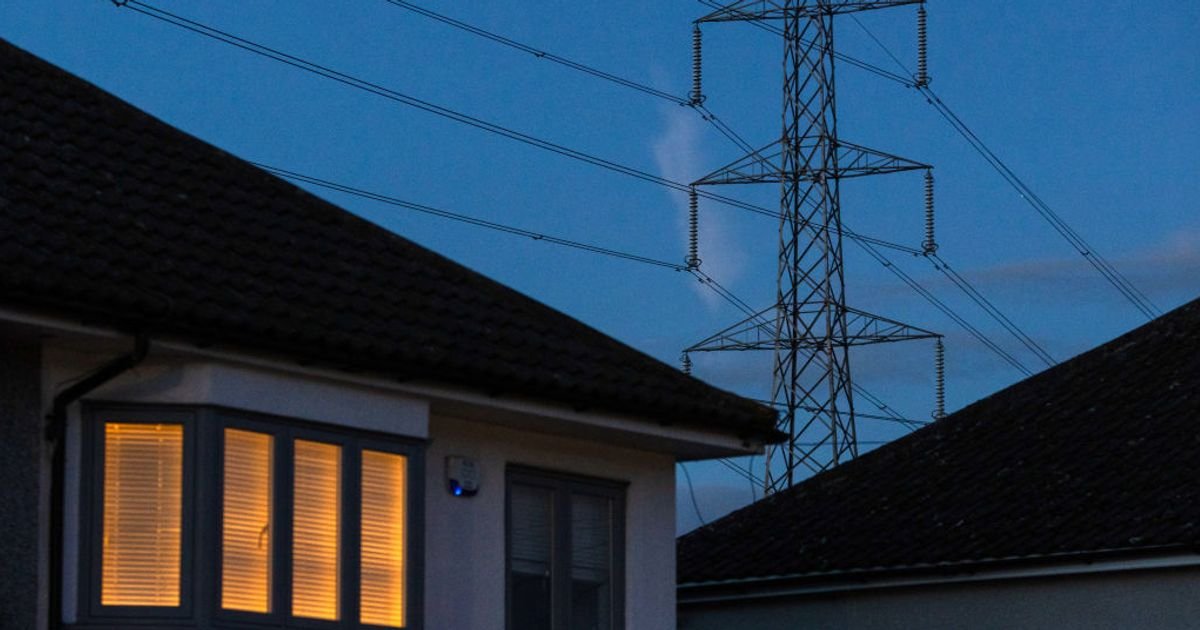

Concerns were raised as oversight bodies approved a £28 billion agreement for energy corporations, anticipating an annual increase of nearly £110 per customer.
Ofgem, the regulatory authority for the industry, has granted permission for companies to enhance and invest in their electricity and gas networks over the next five years.
These firms will be able to recover the investment from customers, starting with a £40 hike in bills by next April, escalating to £108 annually by 2031. However, this cost is projected before factoring in the anticipated savings from the substantial investment. Ofgem estimates that, considering these savings, the 2031 increase will be closer to £30 per customer.
The approved deal surpasses Ofgem’s earlier proposal by £4 billion after lobbying from the industry. Ofgem argued that the investment would decrease the UK’s dependence on imported energy and eventually lead to savings for households.
Citizens Advice criticized the recent agreement as network companies were reported to have accumulated £4 billion in unexpected profits over the past four years. Gillian Cooper, the director of energy at Citizens Advice, mentioned that energy bills would climb by approximately £40 starting from April 2026, with further rises expected in the future.
Simon Francis, the coordinator of the End Fuel Poverty Coalition, cautioned that Ofgem is at risk of authorizing excessive spending for network and transmission companies. He emphasized the need for thorough scrutiny and consumer guarantees for these significant sums of essentially public funds.
Greenpeace UK’s senior climate advisor, Charlie Kronick, emphasized the importance of lowering energy costs for households and businesses, particularly as the transition to a cleaner energy system progresses.
Dale Vince, the founder of Ecotricity, suggested breaking the connection between wholesale gas prices and electricity prices as a key strategy to reduce energy bills. He criticized Ofgem’s stance on renewable energy not necessarily leading to lower bills or protection from fluctuating gas prices.
Andy Prendergast, the national secretary of the GMB union, expressed cautious optimism about the overdue investment in gas and electricity infrastructure, highlighting the potential benefits for energy independence and acknowledging the government’s decisive action.
The investment surge will focus on companies that own power lines, cables, and gas pipes, rather than energy suppliers. Out of the total £28 billion, close to £18 billion will be allocated to enhancing gas transmission and distribution networks, while approximately £10.3 billion will be directed towards bolstering the UK’s high-voltage electricity network.
Households are expected to witness a rise of £108 in network charges by 2031 to fund the additional investment, up from the initial estimate of a £104 increase outlined in July.
Jonathan Brearley, Ofgem’s chief executive, highlighted that the investment aims to facilitate the shift to new energy sources, support industrial growth, and shield against volatile gas prices.
A government representative stressed the necessity of upgrading gas and electricity networks after years of inadequate investment to ensure energy security for the country.
Dhara Vyas, the chief executive of Energy UK, emphasized the critical nature of increasing infrastructure investment to maintain the safety, security, and reliability of energy networks in the face of evolving energy demands.
Ofgem has been scrutinizing energy companies’ proposals since the beginning of the year, resulting in more than £4.5 billion in reductions compared to the initial £33 billion plans. However, the amount was adjusted upwards from the July draft following appeals from network firms citing the need for additional electricity transmission development and infrastructure health considerations.
Ofgem outlined that the investment would support around 80 new power projects, aimed at enhancing grid capacity through the implementation of new power infrastructure to accommodate electricity from renewable sources.
Scottish and Southern Electricity Networks, a subsidiary of SSE, highlighted the investment’s potential to reduce reliance on imported energy, enhance energy security, and stimulate economic growth across the UK.
National Grid, responsible for a significant portion of the UK’s electricity grid, welcomed Ofgem’s acknowledgment of the necessity for substantial investment in the electricity transmission sector and pledged to assess the viability and practicality of the approved package.
At Reach and its affiliated entities, information collected through cookies and other identifiers is utilized to enhance user experience, analyze site usage, and provide personalized advertising. Users can opt out of