
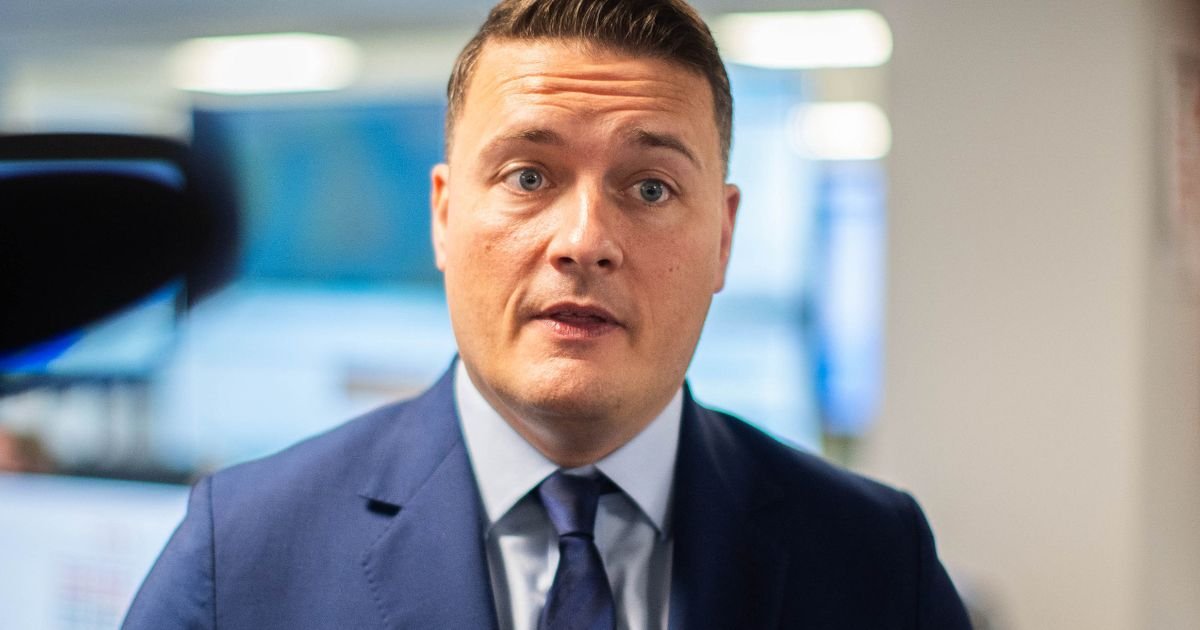

Wes Streeting is set to resume discussions with medical professionals this week in an effort to prevent further disruptions within the NHS due to potential strikes.
The Health Secretary will re-engage in negotiations amidst an escalating conflict with the British Medical Association, which led resident doctors into a five-day strike right before the Christmas period. The key demands from the union include improved compensation and increased training opportunities for young doctors to address issues causing some to face challenges in securing NHS positions.
Addressing resident doctors, Mr. Streeting emphasized the negative impacts of ongoing industrial actions on both the healthcare system and its stakeholders. He highlighted the importance of avoiding setbacks and expressed a commitment to continuing dialogue for a mutually beneficial resolution.
Resident doctors, including those up to consultant level, have found themselves embroiled in a heated exchange with Mr. Streeting. Efforts are underway to arrange a meeting between the Health Secretary’s team and the chair of the BMA’s Resident Doctors Committee.
The BMA is advocating for a 26% pay rise over the coming years, citing a decline in real wages since 2008 based on the Retail Price Index. However, the Government’s perspective, using the Consumer Price Index, indicates a lesser reduction in average salaries for resident doctors over the same period.
While acknowledging recent pay increases for resident doctors, especially during the Labour Party’s tenure, the dispute revolves around the 5.4% raise granted for 2025/26. A proposal by Mr. Streeting to introduce more NHS training roles was rejected in a pre-Christmas ballot, underscoring tensions exacerbated by differing viewpoints.
In response to accusations from both sides, Mr. Streeting and Dr. Fletcher have engaged in a back-and-forth, with concerns raised about the current flu season and its impact on hospitals. Despite these challenges, Mr. Streeting remains optimistic about job-related discussions but acknowledges the existing disparities in pay negotiations that need to be bridged.
Following recent strike actions and the impact on NHS operations, Mr. Streeting highlighted the significant financial and operational costs incurred, stressing the necessity of finding common ground to avoid further disruptions during a critical period for healthcare services.
In a joint effort to resolve the ongoing dispute, both parties have expressed a willingness to engage in constructive dialogue aimed at finding solutions that benefit doctors and patients alike. Dr. Fletcher emphasized the importance of addressing job-related issues and restoring the profession’s value, urging the government to present credible proposals to prevent future strikes and foster a collaborative approach to resolving the conflict.