
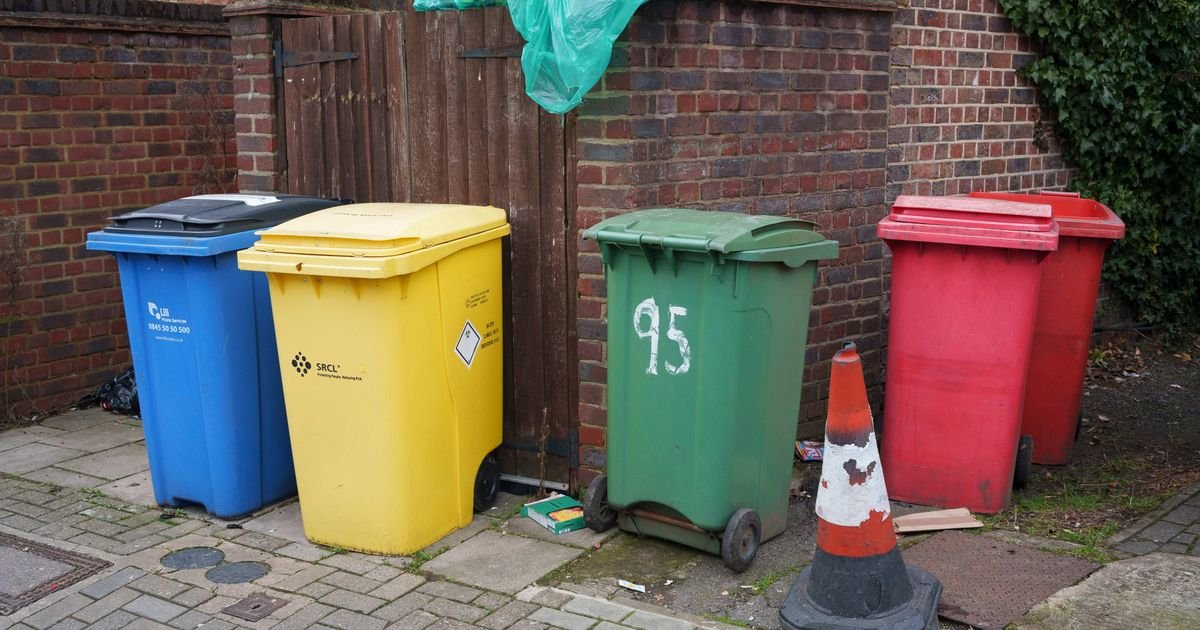

Households in the UK using wheelie bins and other waste containers may face fines if they violate specific regulations. The government advises local authorities on when and how to issue penalty notices to residents who do not adhere to waste management rules.
Council workers have the authority to levy fines if residents fail to comply with waste collection regulations, leading to a nuisance or negatively impacting local amenities. Fines may be imposed for obstructing pavements or roads with bins, leaving waste containers out for extended periods, or abandoning damaged bins that could attract pests.
Local authorities are prohibited from issuing fixed penalties for minor offenses, like putting items in the wrong bins or temporarily leaving out containers before collection. Before issuing a fixed penalty, councils must notify the resident in writing about the violation, corrective actions needed, and the consequences of non-compliance.
If the resident does not rectify the issue, the council can issue a notice of intent detailing the potential penalty amount and reasons behind it. Residents have 28 days to contest the penalty. A final notice may be issued after 28 days, with the maximum penalty set at £80. The notice must outline payment details, consequences of non-payment, and the appeals process.
Councils must consider the resident’s responses before issuing the final notice, ensuring a fair process in line with government guidelines.