

A member of the Labour party has expressed strong support for cutting the drink-drive limit, stating that decisive action is necessary to address the issue.
Transport minister Lilian Greenwood revealed that heart-wrenching conversations with families who lost loved ones in car accidents had influenced her stance on strengthening the regulations.
Meanwhile, Nigel Farage criticized the proposed reduction in the drink-drive limit, labeling it as “ridiculous” and raising concerns about its potential impact on rural pubs. He suggested that human error makes it challenging to significantly reduce traffic fatalities.
Contrary to Farage’s views, Greenwood emphasized the urgency of curbing alcohol-related collisions, citing the alarming statistic that 260 individuals lost their lives due to drunk driving last year. She stated unequivocally, “We’ve had enough. We are fully aware of the causes of road accidents and are committed to addressing them.”
Greenwood also clarified that the objective is not to deter people from enjoying a night out at the pub but rather to discourage driving under the influence of alcohol.
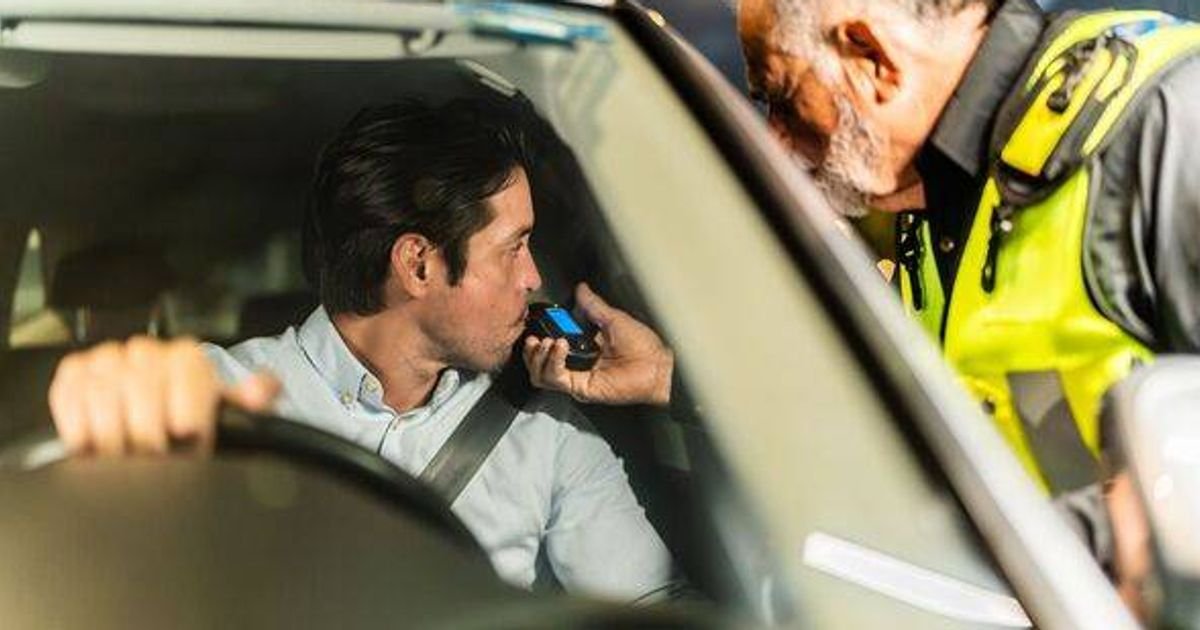
The Labour party’s new road safety strategy, unveiled recently, proposes aligning England and Wales’s drink-drive limit with Scotland’s by potentially reducing it from 35 to 22 micrograms of alcohol per 100 milliliters of breath.
This adjustment implies that consuming just one pint could push some individuals over the limit, although various factors such as age, weight, and sex influence the exact threshold.
The Department for Transport is considering introducing an even lower limit for novice drivers. Additionally, the strategy includes the possibility of judges issuing “alcolocks” to convicted drink-drivers, which are breathalyser devices that prevent vehicle operation if alcohol is detected. Randomized vehicle checks by the police to detect alcohol-impaired drivers may also be implemented.
In 2023, one in six road fatalities involved drink driving. The family of Lillie Clack, a 22-year-old from Morden, who tragically lost her life in a drink-driving incident, supports the proposed drink-drive limit changes. The driver responsible for the accident, Charlie Hilton, was sentenced in 2023.
Debbie Clack, Lillie’s mother, expressed gratitude towards the government for taking the issue seriously, highlighting the devastating impact of losing her daughter to a drink-driving collision.
A Labour party insider challenged Farage’s opposition to reducing road deaths caused by drink driving, daring him to confront the families of victims affected by such incidents and dismiss the effectiveness of the Labour government’s measures.
The British Beer and Pub Association reassured its commitment to promoting responsible drinking within the pub sector. It acknowledged the decline in alcohol-related driving accidents based on recent government data but raised concerns about potential policy measures affecting pub trade, particularly in rural areas.
The Government cited research indicating that the pub trade in Scotland did not experience significant negative effects following the reduction of the drink-drive limit in 2014.