
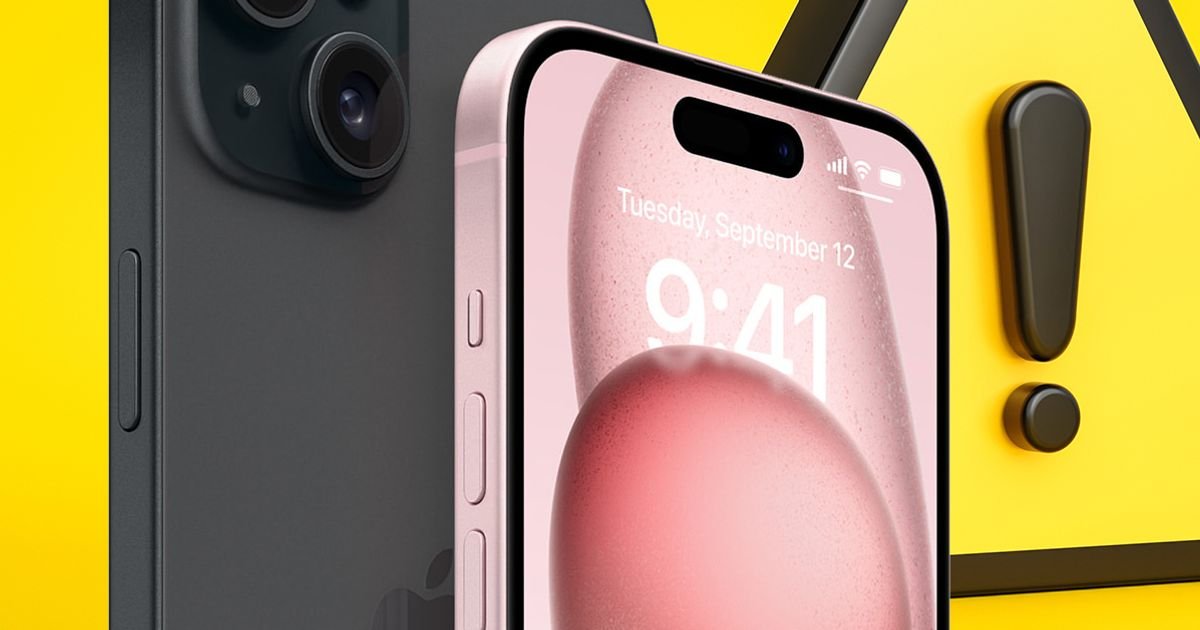

The prevalence of phone theft is on the rise, with London experiencing an alarming 117,000 smartphones stolen last year. This number is projected to increase further by 2025, given the high value of devices like iPhones that can cost over £1,200. In addition to the financial loss, the theft of personal data, including photos, banking information, and private emails, is a significant concern.
Despite the security measures implemented by Apple, such as Stolen Device Protection, thieves are attempting to circumvent these safeguards to use stolen iPhones. One deceptive tactic involves sending messages to iPhone owners claiming that the stolen device has been located, aiming to trick them into providing access codes.
One crucial security feature, Activation Lock, ties an iPhone to the owner’s Apple ID, rendering it inoperable and unsellable. Criminals are now leveraging personalized texts with links to fake Apple websites to deceive individuals into divulging crucial information that allows them to bypass Activation Lock and access sensitive data.
The National Cyber Security Centre cautions against falling for these scams, emphasizing that Apple never initiates contact to request personal data or provide notifications about lost devices. To enhance user safety, the NCSC offers five essential tips, including ignoring unsolicited messages, refraining from clicking on suspicious links, and immediately activating Lost Mode via the Find My app if a device is lost.
Users are advised to exercise caution with the information displayed on a lost device’s lock screen, use a dedicated email address, safeguard their SIM card with a PIN, and maintain device security by retaining it within their Apple account to uphold Activation Lock’s protection.
At Reach and across our entities we and our partners use information collected through cookies and other identifiers from your device to improve experience on our site, analyse how it is used and to show personalised advertising. You can opt out of the sale or sharing of your data, at any time clicking the “Do Not Sell or Share my Data” button at the bottom of the webpage. Please note that your preferences are browser specific. Use of our website and any of our services represents your acceptance of the use of cookies and consent to the practices described in our Privacy Notice and Terms and Conditions.