

With the current cold spell hitting the UK, drivers are being advised to perform essential checks on their vehicles to minimize the chances of breakdowns and accidents in icy winter weather. Recent snowfall and the aftermath of Storm Goretti have already been witnessed, with forecasts indicating potential three-day blizzards later this month.
Many individuals turn to platforms like Reddit seeking advice on winterizing their cars for heavy snow and ice conditions. However, it is crucial to seek expert guidance for proper preparation. Andy Watt, Group Vice President for Mercedes-Benz at Stratstone, has offered practical tips for winter driving safety, covering areas such as tire traction, battery maintenance, visibility, winter emergency kits, and cold weather readiness.
“Winter driving conditions can surprise even the most seasoned drivers,” Watt remarked. “Low temperatures, wet roads, and reduced visibility can heighten the risks of breakdowns and accidents, emphasizing the importance of checking your battery, fluids, tires, and lights before hitting the road.”
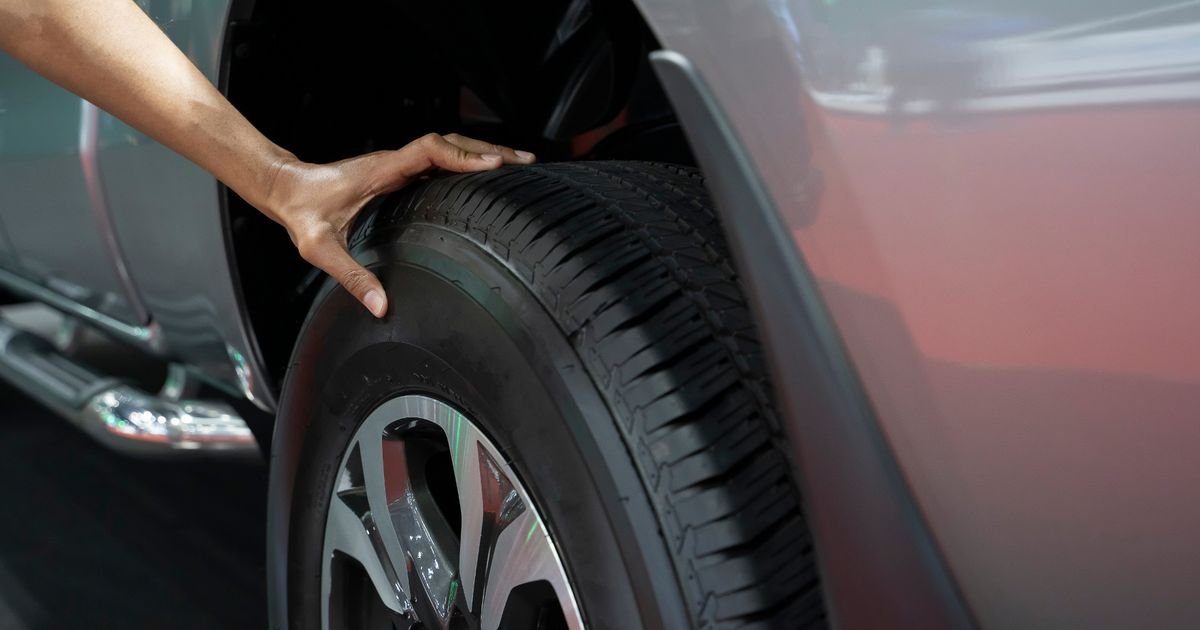
Ensuring adequate tire tread depth is crucial for winter driving, with Watt recommending a minimum of 3mm depth for improved grip on wet, icy, and snowy surfaces, reducing stopping distances significantly. Monitoring tire pressure is also vital as cold weather can cause rapid drops, impacting both safety and fuel efficiency.
While front-wheel drive vehicles cope better in snow, rear-wheel drive cars may struggle. Watt suggests adding weight to the trunk or utilizing snow chains on rear wheels to enhance traction and stability in such situations. Battery failures are a common cause of winter breakdowns due to increased power demands for starting the engine and operating heating, lighting, and wipers. Watt advises testing or replacing batteries over four years old before temperatures plummet.
Frozen coolant poses a significant risk in winter, potentially leading to severe engine damage. Watt recommends topping up coolant with antifreeze and checking screenwash levels more frequently due to dirty roads and spray. Having a winter emergency kit in the car is advisable for essential journeys in snowy or icy conditions, containing items like blankets, a flashlight, a shovel, snacks, water, and a hi-vis vest for unexpected situations.
Maintaining optimal visibility in winter is crucial, especially with reduced daylight hours. Watt stresses the importance of clean, functional lights to ensure safety and regulatory compliance. Avoid pouring boiling water on windshields to clear ice, as it can cause instant cracking and expensive repairs. Instead, use a scraper, de-icer spray, or start the car early with the heater on low for safer and more cost-effective ice removal.
By following these expert tips, drivers can better prepare their vehicles for winter challenges and reduce the risk of weather-related incidents.