
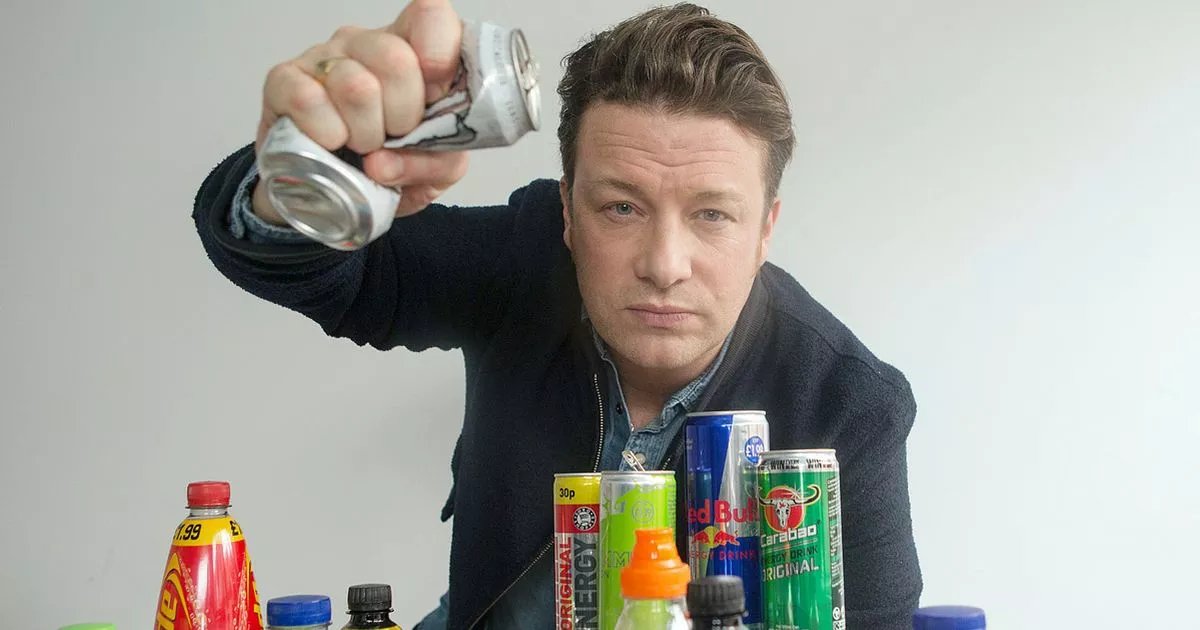

Jamie Oliver has praised the Government’s decision to ban the sale of energy drinks to children in England. The renowned chef collaborated with the Mirror to advocate for stricter regulations on the availability of high-caffeine beverages to minors in response to mounting concerns about their negative impact. Educators have expressed worries over children as young as six consuming energy drinks, citing potential health risks and disruptive classroom behavior. Studies have associated these drinks with various health issues, including headaches, sleep disturbances, eating disorders, and cardiac problems.
Jamie Oliver urged the Government to enforce a comprehensive ban on energy drinks, emphasizing the importance of prioritizing children’s well-being. He highlighted the deceptive marketing tactics used by these products to attract young consumers while underscoring their harmful effects. Statistics reveal that a significant portion of UK children regularly consume caffeinated energy drinks, with boys being the primary consumers of brands like Prime Energy, Monster, and Rockstar.
Proposed regulations would prohibit the sale of energy drinks exceeding 150mg of caffeine per liter across all retail outlets, encompassing online platforms, brick-and-mortar stores, eateries, cafes, and vending machines. The ban, currently under public consultation, aligns with a key initiative in the Labour Party’s manifesto and is estimated to help prevent obesity in tens of thousands of children.
While many supermarkets ceased selling energy drinks to individuals under 16 following previous campaigns, concerns persist regarding the ease of access to these products at local convenience stores near schools. Research indicates that high-caffeine and high-sugar beverages can adversely affect students’ academic performance and behavior in educational settings.
Collaborating with Jamie Oliver, the Mirror shed light on the detrimental consequences of energy drinks on children, including disrupted sleep patterns, heightened anxiety levels, poor focus, and diminished learning outcomes. Advocates like Lauren Morley from Worthing, East Sussex, have underscored the negative impact of these drinks on young individuals, citing instances of anxiety, panic attacks, and concentration issues in school environments. Morley and other experts welcomed the Department of Health and Social Care’s initiative to restrict the sale of high-caffeine energy drinks to children, emphasizing the potential benefits for overall well-being and academic success.
Through its various entities, Reach and its partners utilize data collected via cookies and other identifiers to enhance user experience, analyze site usage, and deliver personalized advertising. Users have the option to opt out of data sharing or selling by clicking the corresponding button on the website. By accessing the site and utilizing its services, users agree to the use of cookies and consent to the data practices outlined in the Privacy Notice and Terms and Conditions.