
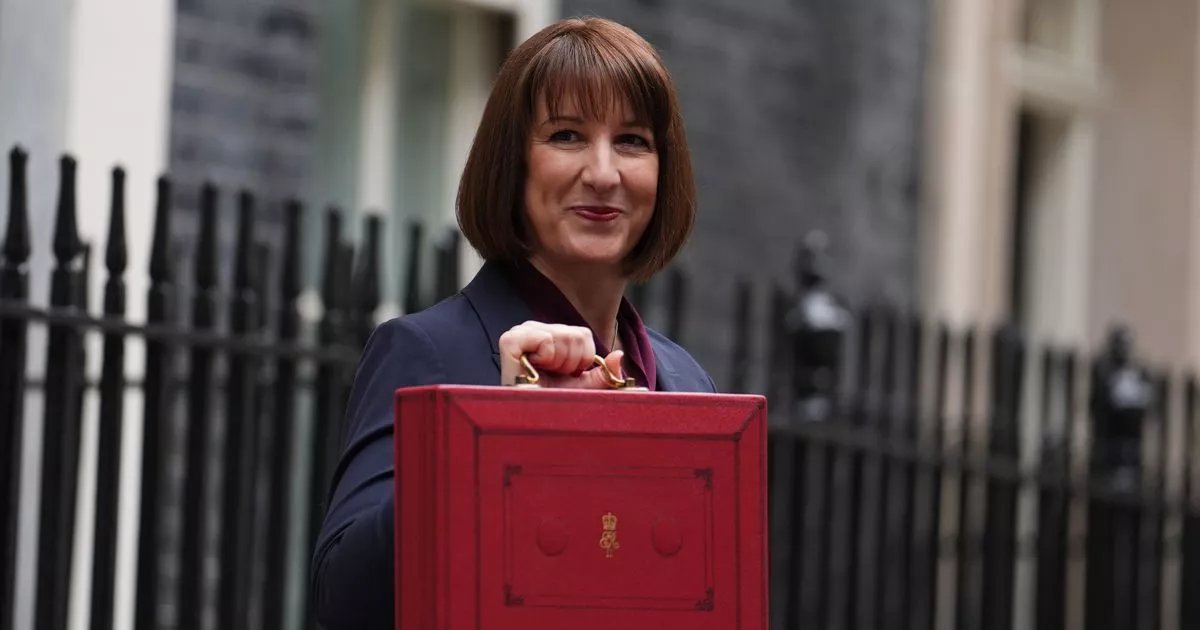

Rachel Reeves has set the date for the Budget, anticipating the need to raise taxes. The Chancellor is scheduled to present the critical statement outlining the government’s fiscal plans on November 26. Reeves is focusing on strategies to improve the economy for regular working individuals, particularly addressing the impact of inflation on household budgets.
The decision to delay the Budget aims to allow for announcements on enhancing productivity throughout the autumn, with hopes that the Office for Budget Responsibility will consider these measures in its forecasts. This will mark Labour’s second Budget following the party’s significant election win last year. In the previous Budget, Reeves increased taxes on businesses, imposed VAT on private school fees, and raised capital gains tax to allocate funds for the NHS.
In a recent video message, Reeves emphasized that Britain’s economy is not fundamentally flawed but acknowledged the need to make it more favorable for working people. She highlighted concerns about high bills and diminishing returns, stressing the necessity for change. The Chancellor echoed these sentiments, emphasizing the importance of managing day-to-day spending to reduce inflation and borrowing costs.
Despite efforts to manage costs, economic experts caution that tax hikes may be inevitable to address the nation’s financial shortfall. The NIESR think tank predicts a £41 billion deficit by 2029-30, challenging the Chancellor’s commitment to balancing spending with tax revenue. Opposition leader Keir Starmer has vowed not to increase taxes on working individuals, ruling out hikes in VAT, national insurance, or income tax.
The Chancellor aims to avoid a repeat of last year’s extensive tax increases, which totaled £40 billion. However, challenges such as reversing cuts to benefits and rising borrowing costs have intensified the fiscal pressure. Recent changes within the Prime Minister’s economic team, including the appointment of new key figures, suggest a strategic shift in economic management.
Amidst criticism from former Conservative PM Liz Truss, who warned of economic turmoil under the current Chancellor’s policies, Health Secretary Mr. Streeting defended Labour’s approach to managing the economy. He dismissed Truss’s remarks, highlighting the need to address the aftermath of previous administrations’ financial decisions.
The evolving economic landscape underscores the need for careful fiscal planning and strategic decision-making to navigate the challenges ahead. Stay updated with the latest developments by following reputable news sources.